
How to import goods into the US through Miami: a step-by-step guide
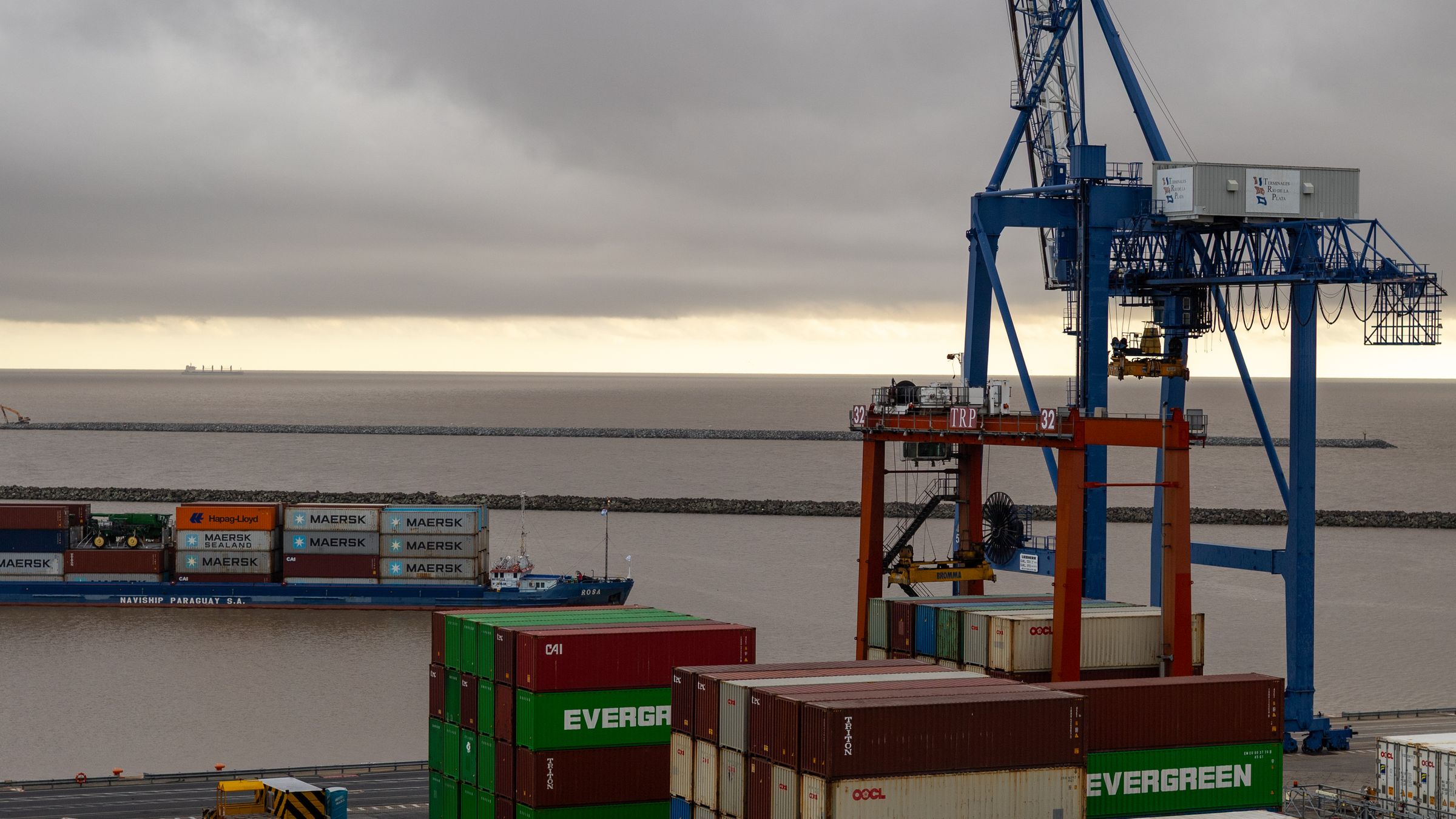
Many companies want to import goods into the US, but the first shipment is where most of them get stuck: a missing number, a late filing or a tariff code that changes the duty. What do you actually need before your cargo leaves the origin port, and in what order? The steps are clear once you see them in sequence. Keep reading for the full step-by-step guide to importing through Miami.
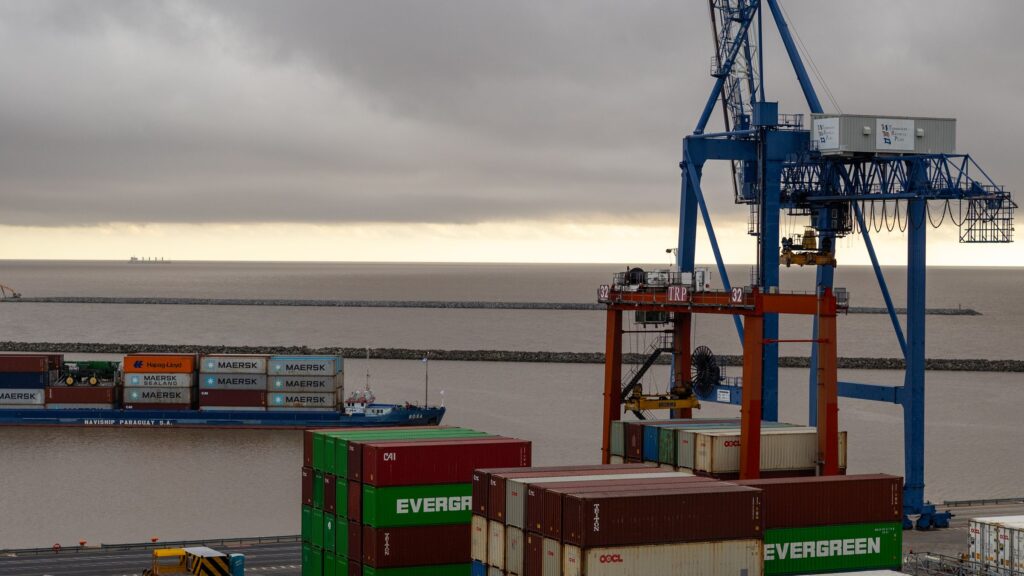
This post closes our November series. Over this series we explained what a 3PL is, how a 3PL brokerage works, how a 3PL works day to day, what to check in a 3PL warehouse in Miami, why Miami works as a logistics gateway and what project cargo is. Today we put those pieces together for one question U.S. importers ask us every week: what does it really take to bring a shipment into the country?
Key takeaways
- Get an importer of record number and a customs bond before your first commercial shipment arrives.
- Classify every product with a 10-digit HTS code, because duty, fees and agency rules all depend on it.
- For ocean freight, file the ISF at least 24 hours before loading at the foreign port.
- A licensed customs broker files the entry in CBP’s system and helps you avoid costly errors.
- Budget for duties, fees, freight, drayage and storage, not only the product price.
- A Miami 3PL connects customs release, warehousing and final delivery in one flow.
Why import goods into the US through Miami
Miami combines a large container port and a major cargo airport within a few miles of each other. PortMiami handled 1,115,058 TEUs in fiscal year 2025, and Miami International Airport moved nearly 3.5 million tons of cargo in 2025. As a result, importers get frequent sailings, many direct flights and a dense network of brokers, truckers and warehouses.
Location also matters after customs. From Miami, trucks reach most of Florida in a day and the rest of the Southeast in one to two days. In addition, many Miami teams work in English, Spanish and Portuguese, which helps when your suppliers are in Latin America. We covered the full numbers in Why Miami: the port and airport numbers behind a Latin America gateway.
However, a good gateway does not fix a weak process. Therefore, the rest of this guide focuses on what you control: your registration, your data and your plan. In addition, we point out where a broker or a 3PL usually takes over, so you know who does what. As a result, you can decide which steps to handle in-house and which ones to delegate.
Before you import goods into the US: three things you need
Most delays start before the cargo ships. Therefore, set up these three items first, especially if this is your first commercial import.
1. An importer of record number
The importer of record is the party responsible for the entry, the duties and compliance. CBP identifies the importer by an IRS employer identification number (EIN). If you do not have one, your broker can help you request a CBP-assigned number with CBP Form 5106.
2. A customs bond
A customs bond guarantees that duties, taxes and fees will be paid. Formal entries, which apply to most commercial shipments valued over $2,500, generally require one. You can buy a single transaction bond for one shipment or a continuous bond that covers a full year. If you import more than a few times a year, a continuous bond is usually simpler and cheaper.
3. A licensed customs broker
You can file an entry yourself, but most companies use a licensed customs broker. The broker files your data in CBP’s Automated Commercial Environment (ACE), checks your classification and tells you which agencies need extra information. At KCE we coordinate with your broker, or with brokers we work with every day in Miami.
8 steps to import goods into the US
Every shipment is different, but the sequence below covers most commercial imports into Miami by ocean or air.
Step 1: Confirm the product can be imported
First, check whether your product is restricted or needs approval from a partner government agency. Food, cosmetics and medical devices involve the FDA. Plants, wood packaging and animal products involve the USDA. Electronics may need FCC compliance, and children’s products must meet CPSC rules. If an agency applies, ask your supplier for the right documents before production ends.
Step 2: Classify the goods with an HTS code
Next, find the 10-digit code for each product in the Harmonized Tariff Schedule of the United States. The code sets the duty rate and shows whether extra tariffs apply. In 2025 and 2026, tariff measures have changed often, so confirm the current rate with your broker before you place a large order. A wrong code can mean overpaid duty, a penalty or a shipment on hold.
Step 3: Agree the Incoterm and the supplier documents
Then agree with your supplier who pays for and controls each leg. Under FOB, for example, you control the main freight and choose your forwarder. Under DDP, the seller handles the import, which is rare for commercial buyers and often more expensive. In addition, ask the supplier for a detailed commercial invoice, a packing list and, when needed, a certificate of origin.
Step 4: Book freight and file the ISF
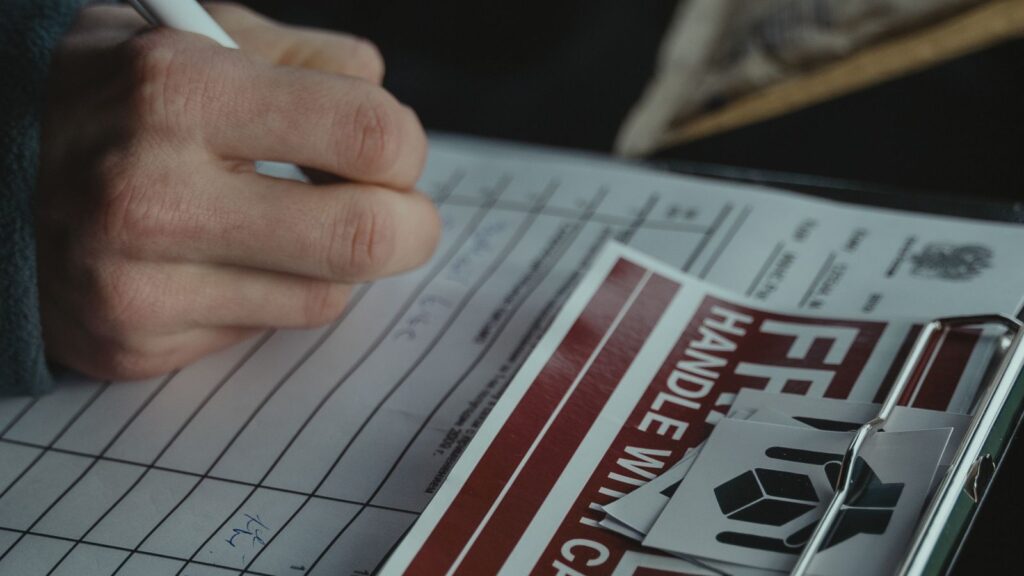
For ocean cargo, your forwarder books space and your broker files the Importer Security Filing, often called ISF or 10+2. It must reach CBP at least 24 hours before the container is loaded at the foreign port. A late or inaccurate ISF can lead to penalties of up to $5,000 and extra inspections. For air cargo, there is no ISF, but advance data is still sent electronically before arrival.
Step 5: Track arrival and prepare the entry
While the cargo travels, the broker prepares the entry using your invoice, packing list and bill of lading or air waybill. Meanwhile, your 3PL plans the pickup, the warehouse appointment and the labor needed to unload. Share the arrival notice as soon as you receive it, because free time at the port or airport starts counting on arrival.
Step 6: Customs release and agency checks
When the shipment arrives, CBP reviews the entry and decides whether to release it or hold it for an exam. If a partner agency applies, it reviews its own data too. Most clean entries are released quickly. However, an exam can add days and costs for drayage, handling and storage at a bonded facility.
Step 7: Pay duties and file the entry summary
The broker files the entry summary (CBP Form 7501) and pays duties and fees, usually within 10 working days of release. CBP can still review the entry until it is final, which is called liquidation and normally happens about 314 days after entry. Therefore, keep your classification and value consistent across shipments.
Step 8: Deliver, store and keep records
Finally, the trucker picks up the cargo and delivers it to the warehouse or straight to your customer. At the warehouse, the team counts, inspects and stores the goods, and then fulfills orders or ships pallets onward. Keep your import records for five years, because CBP may ask for them later.
What it costs to import goods into the US
The product price is only the start. When you import goods into the US, build a landed cost that includes every item below.
- Freight: ocean or air transport from origin to Miami, plus origin charges.
- Duties: set by the HTS code and the country of origin, plus any extra tariffs.
- Merchandise Processing Fee (MPF): a percentage of the entered value, with a minimum and maximum that CBP adjusts each year.
- Harbor Maintenance Fee (HMF): 0.125% of the cargo value for ocean shipments.
- Broker and bond fees: the entry filing, ISF filing and bond premium.
- Drayage and terminal charges: moving the container from the port to the warehouse, plus any demurrage or detention.
- Warehousing: receiving, storage and fulfillment once the goods arrive.
For example, a small importer may compare two suppliers with similar prices. Once freight, duty and drayage are added, the closer supplier with a lower duty rate can easily be cheaper. That is why we always recommend a landed cost estimate before the first order.
Documents you need to import goods into the US
Keep this list with every shipment. Missing or inconsistent documents cause most of the holds we see.
- Commercial invoice with seller, buyer, description, quantity, value, currency and country of origin.
- Packing list with cartons, weights and dimensions that match the invoice.
- Bill of lading for ocean cargo or air waybill for air cargo.
- Arrival notice from the carrier or forwarder.
- ISF confirmation for ocean shipments.
- Agency documents when required, such as FDA prior notice or USDA certificates.
- Proof of the customs bond and the importer of record number.
Air or ocean: how to import goods into the US by mode
Ocean freight is the usual choice for full containers, heavy goods and regular replenishment. It costs less per kilo, but transit times are longer and port charges add up if the container waits. Air freight, on the other hand, suits urgent parts, samples, perishables and high-value goods. It costs more, yet it often clears and delivers within days.
Many importers combine both. They ship the bulk of the order by sea into PortMiami and send a small urgent portion by air into MIA. A Miami warehouse can then receive both flows and release orders as soon as each part clears.
A sample timeline to import goods into the US by ocean
To make the steps concrete, here is a simplified timeline for one container of consumer goods shipped from Asia to Miami. Your dates will vary, but the order of tasks rarely changes.
- Six weeks before loading: confirm the HTS codes, agency rules and landed cost. Then place the order and agree the Incoterm.
- Three weeks before loading: book space with your forwarder and share the delivery address and warehouse contact.
- Two to three days before loading: the broker files the ISF with data from the supplier and the forwarder.
- During transit: the broker prepares the entry, and the 3PL schedules drayage and a receiving appointment.
- On arrival: the entry is filed, CBP releases the cargo and the trucker picks up the container within free time.
- Within 10 working days of release: the broker files the entry summary and pays duties and fees.
In other words, most of the work happens before the ship arrives. Consequently, the importers who plan early are usually the ones whose cargo moves straight from the port to the shelf.
If you also export from the US
Many of our clients import and export. For example, a distributor may bring products from Asia into Miami and then resell part of the stock to buyers in Latin America. The export side has its own rules, but they are simpler to manage when both flows run through the same warehouse.
For most U.S. exports valued over $2,500 per Schedule B number, or that need a license, the exporter or its forwarder files Electronic Export Information (EEI) in the Automated Export System. In addition, the buyer’s country will ask for its own documents, so confirm them with the buyer before you ship. A Miami 3PL can receive goods from several U.S. suppliers, consolidate them and prepare the export side in one place.
Common mistakes when you import goods into the US
- Shipping before checking agency rules. An FDA or USDA requirement found at arrival can stop the cargo.
- Guessing the HTS code. A rough code can change the duty rate and trigger penalties.
- Filing the ISF late. Ask your forwarder to confirm the ISF before the container is loaded.
- Vague invoices. “Parts” or “samples” is not a valid description for customs.
- Ignoring free time. Containers that wait at the port quickly create demurrage and detention charges.
- No delivery plan. If the warehouse cannot receive on arrival, storage costs grow every day.
In addition, remember that the $800 de minimis exemption has been suspended since August 29, 2025. As a result, low-value shipments now need proper entry and duty as well.
How a Miami 3PL helps you import goods into the US
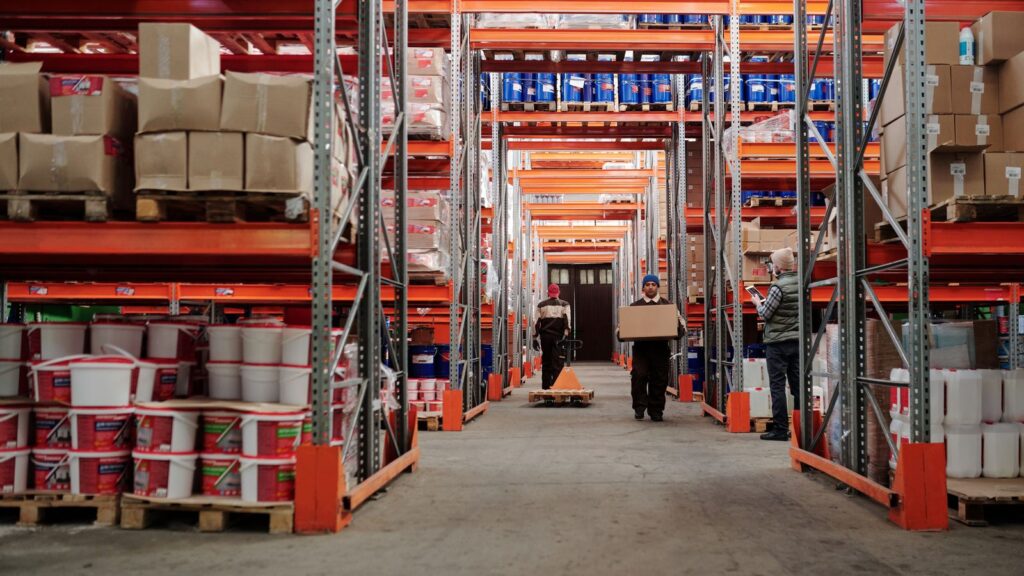
Customs release is only one step. After it, someone still needs to pick up the container, receive the goods, check them against the packing list and get them to your customers. A 3PL in Miami connects those steps, so you deal with one coordinated plan instead of several separate vendors.
At KCE Logistics, we combine freight forwarding, customs coordination and warehousing close to PortMiami and Miami International Airport. We work with your broker, track the ISF and arrival, book drayage and receive the cargo in our Miami warehouse. If your shipment is oversized, our Charge Project team plans the special equipment and permits. In short, you get one team from the foreign port to the final delivery.
If you are planning imports for the 2027 season, now is a good time to review your setup. Peak season showed how quickly space and capacity tighten, as we explained in our 3PL logistics news on holiday peak 2026. Talk to the KCE team about your next shipment.
In short: how to import goods into the US through Miami
To import goods into the US through Miami, you need an importer of record number, a customs bond for most commercial shipments, the right tariff classification and clean documents. For ocean cargo, the Importer Security Filing (ISF) must reach CBP at least 24 hours before the container is loaded abroad. After that, a licensed customs broker files the entry, CBP and any partner agencies release the goods, you pay duties and fees, and a 3PL in Miami receives, stores and delivers the cargo.
Frequently asked questions
How long does it take to import goods into the US?
It depends on the mode and the paperwork. Air shipments often clear and deliver within a few days of arrival. Ocean shipments take several weeks in transit, and clean entries usually clear soon after arrival unless CBP or an agency orders an exam.
Do I need a customs broker to import goods into the US?
Not by law, but most commercial importers use one. A licensed broker files the entry in ACE, checks classification and keeps you compliant, which reduces the risk of holds and penalties.
What is the ISF 10+2 filing?
The Importer Security Filing is electronic data about an ocean shipment. It must reach CBP at least 24 hours before the cargo is loaded on the vessel at the foreign port.
Do I need a customs bond for a small shipment?
Formal entries, which apply to most commercial shipments valued over $2,500, generally require a bond. Some lower-value shipments can use an informal entry, but agency rules and tariffs still apply.
Can a Miami 3PL store goods before they are sold?
Yes. A 3PL receives and stores your imported goods, and then ships orders or pallets as you sell. Some importers also use bonded storage or a foreign-trade zone to delay duty payments.
Ready to ship?
Need a quote for your next shipment?
Tell us what you are shipping and our Miami team will get back to you with a quote.
How to import goods into the US through Miami: a step-by-step guide
Many companies want to import goods into the US, but […]

3PL warehouse in Miami: what to look for before you sign
Two warehouses can look the same on a tour and […]