
3PL warehouse in Miami: what to look for before you sign
Two warehouses can look the same on a tour and perform very differently in December or in the middle of hurricane season. So how do you choose the right 3PL warehouse in Miami before you sign a contract that is hard to leave? The answer is a short list of checks that many companies skip. Keep reading to see what to look for, what to ask and which red flags should make you walk away.
This is the fifth post in our November series. Yesterday’s quick answer explained how a 3PL works in four steps. Today we look at the building where those steps happen and give you twelve checks to compare providers. Tomorrow we look at the numbers behind Miami as a logistics gateway.
Key takeaways
- Location is a feature in Miami: minutes from the port and airport mean faster receiving and easier mode changes.
- Hurricane readiness is a must-check item in South Florida, not an afterthought.
- Visit before you sign. Clean floors, clear labels and calm teams say more than a brochure.
- Ask for sample reports, a sample invoice and references from clients similar to you.
- Compare total monthly cost on a realistic scenario, not only storage rates.
- Read the contract for minimums, notice periods, liability and how you can leave.
Why choose a 3PL warehouse in Miami?
Miami is one of the most connected logistics hubs in the Americas. PortMiami handled 1,115,058 TEUs in fiscal year 2025, and Miami International Airport moved nearly 3.5 million tons of cargo in 2025, more international freight than any other U.S. airport, according to Airport Improvement. For importers, exporters and online sellers who trade with Latin America and the Caribbean, a 3PL warehouse in Miami sits where the cargo already flows.
Three types of companies benefit most:
- U.S. importers who receive ocean and air cargo in South Florida and distribute across the country.
- Latin American and Caribbean buyers who purchase from several U.S. suppliers and consolidate in Miami before exporting.
- Online sellers who want fast delivery to Florida and the Southeast, plus easy access to international markets.
If you fit one of these profiles, the next question is not whether to use a 3PL warehouse in Miami, but which one.
12 checks before you sign with a 3PL warehouse in Miami
1. Location and access
For any 3PL warehouse in Miami, minutes matter. A warehouse near PortMiami and Miami International Airport shortens drayage, reduces handling and makes it easier to move cargo between air and ocean when plans change. Also check highway access, truck parking, dock doors and the area’s traffic patterns at peak hours.
Ask, for example: How far are you from the port, the airport and the main highways? How many dock doors do you have, and can you receive containers and air freight on the same day?
2. Hurricane and weather readiness
South Florida’s hurricane season runs from June 1 to November 30. A 3PL warehouse in Miami should have a written plan for storms: building standards, roof and door ratings, backup power, flood risk, data backups, communication with clients and recovery steps.
Ask, for example: Can I see your hurricane plan? Do you have backup power for systems and refrigeration? How did your operation perform during the last major storm? What is the flood zone of the building?
3. Security
Your inventory is valuable, so a 3PL warehouse in Miami should protect it like its own. Check physical security, such as fences, gates, cameras, alarms and access control, and procedural security, such as visitor logs, seal checks and staff screening. Some warehouses participate in supply chain security programs such as CBP’s CTPAT.
Ask, for example: Who can enter the warehouse, and how is access recorded? How do you protect high-value goods? How do you handle seal numbers on containers?
4. Experience with your products
A warehouse that handles cosmetics well may not be ready for auto parts, and the reverse is also true. Ask about clients with products similar to yours in size, value, fragility and regulation. For food, drugs, medical devices or cosmetics, ask about registrations and procedures, such as FDA food facility registration where it applies, temperature control and lot tracking.
Ask, for example: Which clients do you serve with products like mine? Which special conditions can you provide? Can I speak with a reference?
5. Storage options
Match the storage in your 3PL warehouse in Miami to the way you sell. Online sellers need shelving and bins for unit picking. Importers need pallet racking. Project and equipment shippers need floor space and heavy handling equipment. Some goods need climate control or a secure cage. Some importers benefit from bonded storage.
Ask, for example: Which storage types do you offer? What is your current occupancy, and how much space can you reserve for my peak?
6. Systems and visibility
A modern 3PL warehouse in Miami should run a warehouse management system with barcode scanning and give you a portal with real-time inventory, orders and tracking. Integrations with your store, marketplace, ERP and carriers save time and errors.
Ask, for example: Can I see a live demo of the client portal? Which integrations do you already run? What reports will I receive, and how often?
7. Receiving standards
In a busy 3PL warehouse in Miami, receiving protects inventory accuracy. Ask how quickly the warehouse receives containers and pallets after arrival, how it reports discrepancies and whether it takes photos.
Ask, for example: What is your receiving time standard? How do you report shortages, overages and damage? Do you photograph inbound cargo?
8. Fulfillment and cut-offs
For e-commerce and retail orders, the cut-off time defines your customer promise. Ask about order cut-offs, same-day shipping, carrier pick-up times and how these change during peak season and holidays.
Ask, for example: What is the daily cut-off? Which carriers pick up, and when? How did you perform last December?
9. International services
Many Miami clients need more than storage. Freight forwarding, export documentation, consolidation for Latin America, customs coordination with licensed brokers and project cargo handling can all happen under one roof. One partner for the warehouse and the international move means fewer handoffs.
Ask, for example: Do you handle air and ocean freight? Can you consolidate goods from several suppliers for export? How do you coordinate with customs brokers?
10. Peak season capacity
Holiday peak tests every 3PL warehouse in Miami. The National Retail Federation expects 2026 holiday sales of $1.013 trillion, and Miami warehouses fill up from mid-November. Ask how the provider adds labor and space, and whether it can commit to your forecast.
Ask, for example: Can you confirm my peak capacity in writing? What happens if my volume is higher than forecast?
11. Pricing transparency
Compare total cost, not single rates. Ask every provider to price the same realistic month: your inbound containers or pallets, average storage, number of orders and units per order, packaging and extras. Then compare the totals. Watch for minimum monthly fees, setup fees and charges for special projects.
Ask, for example: Can you price my sample month and send a sample invoice? Which fees are not on the rate sheet?
12. Contract terms and exit
Read the contract before you fall in love with the building. Check the term, renewal, minimum volumes, notice periods, liability limits, insurance requirements and what happens to your inventory if you leave.
Ask, for example: What is the notice period? What are your liability limits per unit or per pound? How long does it take to move my inventory out if I change providers?
Where 3PL warehouses cluster in Miami
When you search for a 3PL warehouse in Miami, you will notice that many providers sit in a few areas west of the city. Doral, Medley, Hialeah and the industrial zones around Miami International Airport host a large share of the region’s warehouses, freight forwarders and customs brokers. This clustering is not an accident. These areas offer industrial zoning, access to major highways and short drives to the airport’s cargo facilities and to Port of Miami.
For a shipper, the cluster has practical benefits. First, truckers and drayage companies know the area well, so pickups and deliveries are routine. Second, many service providers, such as packaging suppliers, crate builders and inspection companies, are nearby. Third, if your forwarder, broker and warehouse are in the same area, documents and cargo move faster between them.
However, location within the cluster still matters. Traffic around the airport can be heavy at peak hours, and some buildings sit in areas with higher flood risk. Therefore, look at the specific address, not only the city name, and ask how the provider plans routes and appointments around local traffic.
Cost drivers for a 3PL warehouse in Miami
Every market has its own cost profile. In Miami, a few factors affect what you pay for a 3PL warehouse, and understanding them helps you read quotes more fairly.
Real estate. Industrial space in South Florida is in high demand, so storage rates tend to be higher than in many inland markets. In exchange, you gain proximity to the port, the airport and Latin American trade.
Insurance and storm preparation. Buildings designed and insured for hurricane season cost more to operate. As a result, providers with strong buildings and backup power may quote slightly higher rates. Consider that cost a form of risk protection rather than a premium.
Drayage and handling. Because the warehouse is close to the port and airport, drayage costs are usually lower than for inland facilities. Moreover, fewer miles mean less handling time and lower damage risk.
Labor. Miami has a large and experienced logistics workforce, including bilingual staff. Nevertheless, labor gets tight in peak season, so ask how the provider secures extra staff in November and December.
In short, the cheapest storage rate does not always produce the lowest total cost. A slightly higher rate in a well-located, storm-ready building can save money on drayage, delays and claims.
Extra Miami 3PL warehouse checks for exporters and Latin American buyers
If your main goal is exporting from Miami, add a few checks to the twelve above. These matter especially for buyers in Brazil, Colombia, Mexico, Central America and the Caribbean.
- Consolidation process. How does the warehouse track goods from many suppliers for one buyer, and how does it notify you when an order is complete?
- Photos and reports. Will you receive photos and counts for each supplier delivery?
- Export documents. Who prepares the commercial invoice and packing list for export, and who files the EEI when required?
- Destination knowledge. Has the team shipped to your country recently? For example, ask who prepares the commercial invoice, packing list and export filing when goods leave Miami.
- Mode flexibility. Can the warehouse split one order between air and ocean if part of it is urgent?
- Language. Can the team communicate with your suppliers and brokers in Spanish or Portuguese?
Because export consolidation adds steps, a warehouse that does it every day will usually be faster and more accurate than one that does it occasionally.
Red flags to watch for in a Miami 3PL warehouse
Some signs suggest a provider is not ready for your business:
- The warehouse is cluttered, labels are missing or aisles are blocked.
- Staff cannot explain their own processes.
- The provider avoids giving references or sample reports.
- Quotes are vague, or the rate sheet keeps changing.
- No one can show a hurricane plan.
- You wait days for answers during the sales process, which rarely improves after signing.
How to run a visit to a 3PL warehouse in Miami
A visit is the best way to judge a 3PL warehouse in Miami. Plan it with a checklist so you compare providers fairly.
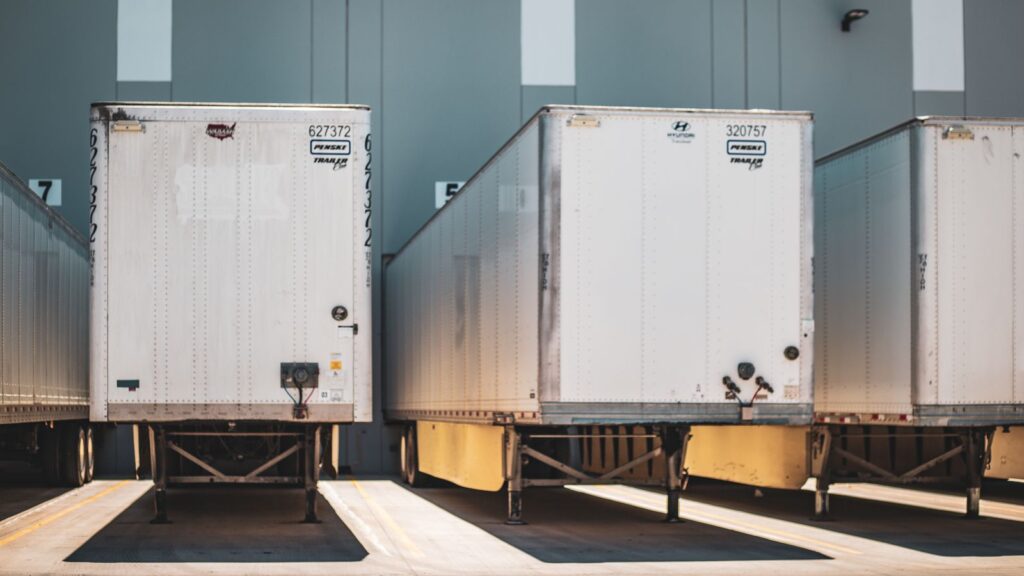
- Arrive a few minutes early and watch the yard and dock activity.
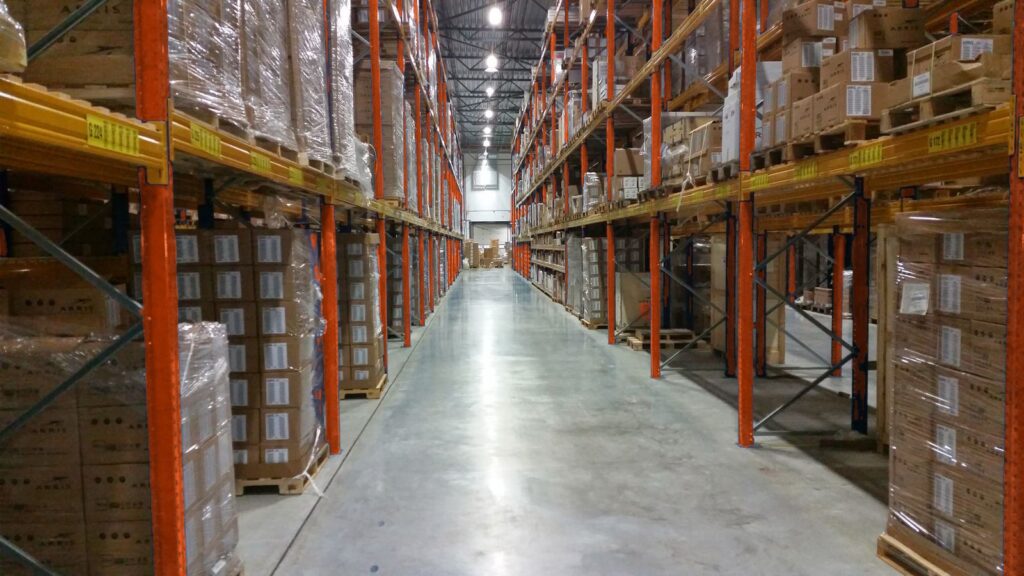
- Walk the receiving area. Look for scanning, staging lanes and clear labels.
- Walk the storage area. Check rack condition, location labels and cleanliness.
- Watch picking and packing. Ask how the team verifies orders.
- Look at the shipping area. Check carrier staging and the outbound process.
- Visit the office. Ask to see the portal and a recent client report.
- Meet your future contact. Ask how they handle urgent issues.
- Ask about the hurricane plan and see backup power if available.
Take photos (with permission) and notes, then score each provider on the twelve checks.
Where KCE fits
KCE Logistics operates a warehouse in the Miami area, close to Port of Miami and Miami International Airport. We combine warehousing and fulfillment with air and ocean freight forwarding, consolidation for Latin America and the Caribbean, customs coordination with licensed brokers and project cargo through our new Charge Project service. Our team works in English, Spanish and Portuguese.
We encourage every prospective client to visit, see the portal and speak with our team before signing. You can use the twelve checks in this post to evaluate us, too. Book a warehouse visit to see the operation in person.
In short: what to look for in a 3PL warehouse in Miami
The right 3PL warehouse in Miami is close to Port of Miami and Miami International Airport, ready for hurricane season, secure, run on a reliable warehouse management system, experienced with your type of product and clear about pricing, cut-offs and contract terms. Before you sign, visit the building, meet the team, ask for sample reports and invoices, and test how quickly they answer. The best 3PL in Miami for you is the one that fits your products, lanes and growth plans, not simply the cheapest quote.
Frequently asked questions
How much does a 3PL warehouse in Miami cost?
It depends on your storage type, volumes and services. Most providers charge for receiving, storage, fulfillment, packaging and extras. Ask for a quote on a realistic sample month. For a cost comparison, see in-house warehousing vs a 3PL in Miami.
What is the best 3PL in Miami?
The best 3PL in Miami is the one that fits your products, lanes and growth plans. Compare providers on location, hurricane readiness, security, systems, services, pricing and contract terms.
Why is location important for a 3PL warehouse?
Location affects how quickly cargo arrives from the port or airport, how much drayage costs and how easily you can switch modes. In Miami, a warehouse near Port of Miami and MIA saves time and handling.
Do Miami 3PL warehouses handle exports to Latin America?
Many do. Look for a provider that offers consolidation, export documentation and freight forwarding, and that has experience with your destination countries.
Is there a 3PL warehouse near me in South Florida?
If you are in South Florida, you likely have several options within a short drive. Use the twelve checks in this guide to compare them, and visit before you sign.
Ready to ship?
Need a quote for your next shipment?
Tell us what you are shipping and our Miami team will get back to you with a quote.
3PL warehouse in Miami: what to look for before you sign
Two warehouses can look the same on a tour and […]
Quick answer: how does a 3PL work?
You send your products to a warehouse you have never […]