
Why Real-Time Cargo Tracking is Non-Negotiable in 2026
08/31/2026

Global supply chains face increasing volatility in 2026. Managing international freight requires precise digital visibility to support proactive inventory routing and maintain steady delivery schedules.
Implementing real-time cargo tracking improves your logistics network. It converts unpredictable transit variables into actionable data, providing clear oversight over your physical distribution channels.
This guide covers how real-time tracking technology works, why it matters in 2026, and what to look for in a partner built to deliver it.
Operating without digital visibility limits your team’s ability to proactively manage transit variables. When containers lack tracking during ocean transit, executives cannot proactively reroute inventory or alert buyers about schedule changes.
Relying on outdated manual updates causes administrative friction. Logistics teams spend hours calling carriers and port terminals instead of focusing on strategic growth and customer retention. Upgrading your digital infrastructure addresses these operational gaps directly.
Modern logistics technology replaces manual tracking with automated data streams. This infrastructure relies on interconnected hardware and software to provide geographical clarity across complex trade lanes.
Tracking devices transmit geographical coordinates continuously. These sensors attach to ocean containers and trailers to monitor movement.
Software systems aggregate telemetry data into a centralized platform. Supply chain managers use these dashboards to visualize their distribution network.
Modern consumers demand transparency throughout the purchasing cycle. Providing instant tracking updates builds consumer trust and directly supports your brand reputation in competitive markets.
Explore how visibility became the most valuable asset in supply chain networks to retain your top buyers. Clear communication helps ensure long-term commercial relationships.
International port terminals experience heavy congestion. Knowing the exact moment a vessel discharges your container allows you to dispatch trucks to the terminal gate promptly.
Automated arrival alerts help dispatchers avoid port demurrage fees. Extracting containers quickly via certified drayage partners keeps your supply chain moving efficiently.
Transporting industrial equipment requires strict security monitoring. High-value cargo requires more than standard location tracking during long transits.
Real-time sensors detect unauthorized door openings and route deviations. They also monitor internal temperature shifts to support compliance.

Using multiple vendors with incompatible tracking systems reduces end-to-end visibility across your supply chain.
Read about the hidden danger of fragmenting your supply chain with too many logistics providers. Centralizing your operations secures operational control in logistics.
Machine learning improves freight forwarding operations. Predictive analytics uses historical tracking data to forecast transit delays before they happen.
Algorithms analyze weather patterns to reroute vessels safely. Systems predict port terminal congestion to adjust final delivery timelines and optimize local delivery routes.
Real-time cargo tracking is no longer a premium feature, it is a baseline requirement for any supply chain operating at scale in 2026. The ability to monitor container location, flag exceptions early, and synchronize ground transport with vessel arrivals directly affects delivery performance and cost management. A logistics partner that provides this visibility as part of the standard operation, not as an add-on, is the one that keeps your supply chain moving predictably.
It is the continuous digital monitoring of freight location using advanced GPS and IoT sensors throughout the transit journey.
It helps prevent port demurrage fees, reduces stolen inventory risks, and reduces manual administrative tracking labor significantly.
Global supply chain disruptions require proactive decision-making. Continuous visibility allows managers to execute route adjustments.
KCE coordinates real-time cargo tracking through our certified warehouse infrastructure in Hialeah, FL, to support visibility.
At KCE Logistics, we manage real-time cargo tracking from our certified hub in Miami. Our operations in Hialeah, FL include precise inventory monitoring and route optimization.
Explore our International Freight Forwarding, Warehousing, Distribution & Fulfillment, and Specialized Cargo Solutions.
Talk to our team and find out how KCE Logistics supports your visibility strategy.

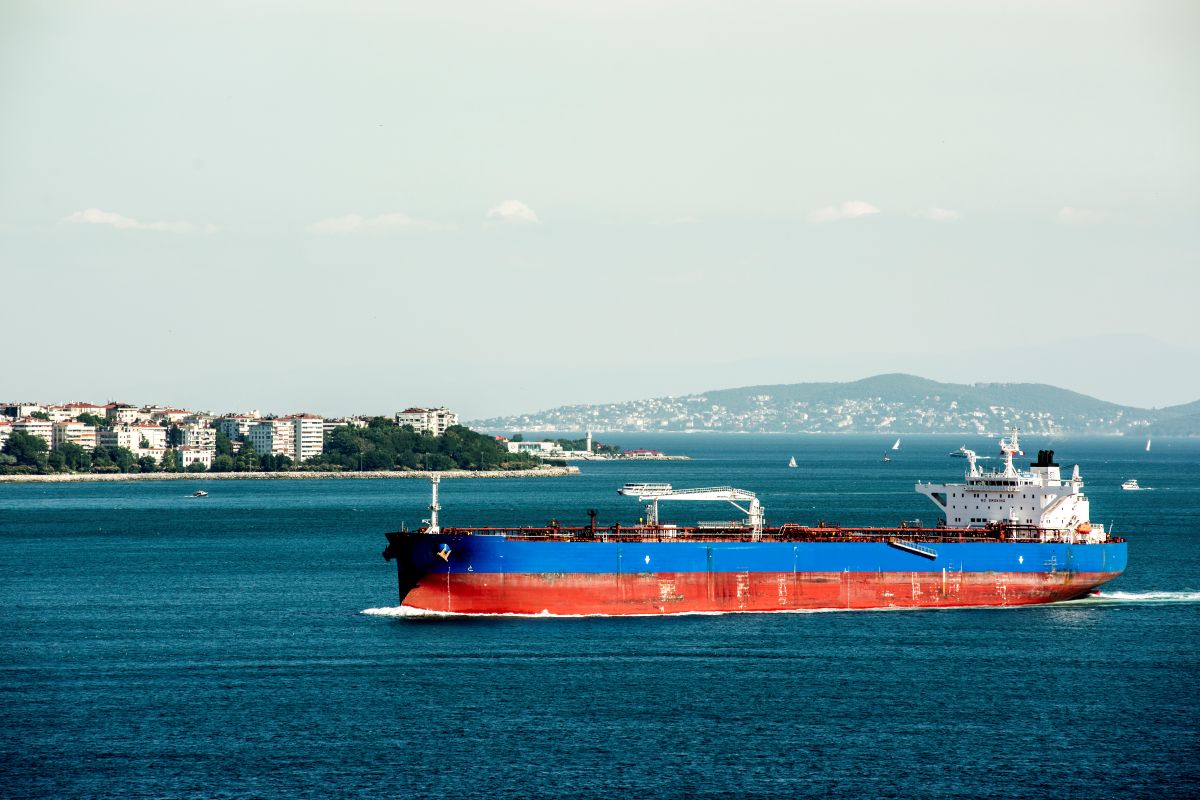
A technical guide to managing heavy machinery imports using RoRo shipping via PortMiami efficiently.
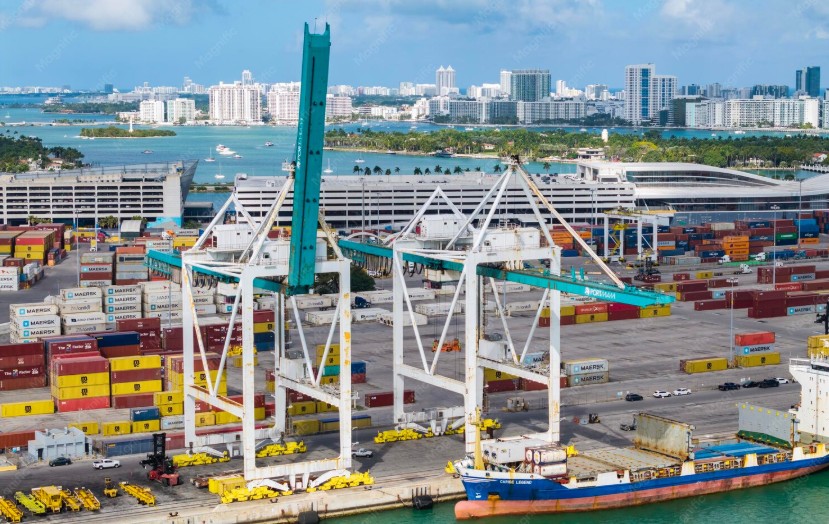
A guide to optimizing your supply chain through LatAm nearshoring logistics via certified infrastructure in Miami.