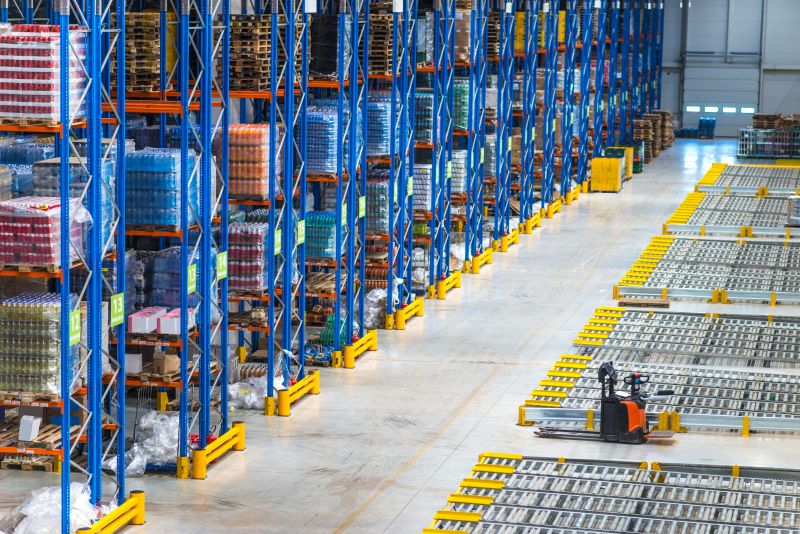
Selecting the right storage framework directly impacts your cash flow, customs compliance, and distribution speed. For importers operating through Miami, understanding the difference between a bonded warehouse and a Free Trade Zone is one of the most important decisions in your US supply chain strategy. This guide covers the operational mechanics, financial advantages, and legal requirements of both options in South Florida.
Miami represents a major gateway for international commerce. Therefore, the demand for specialized storage infrastructure continues to rise every year. Importers must manage their customs liabilities efficiently to protect their baseline profits.
Businesses looking into how LATAM companies are expanding into the US frequently use South Florida as their central entry point. Consequently, choosing an optimized storage framework directly ensures a smoother transition into the competitive North American market.
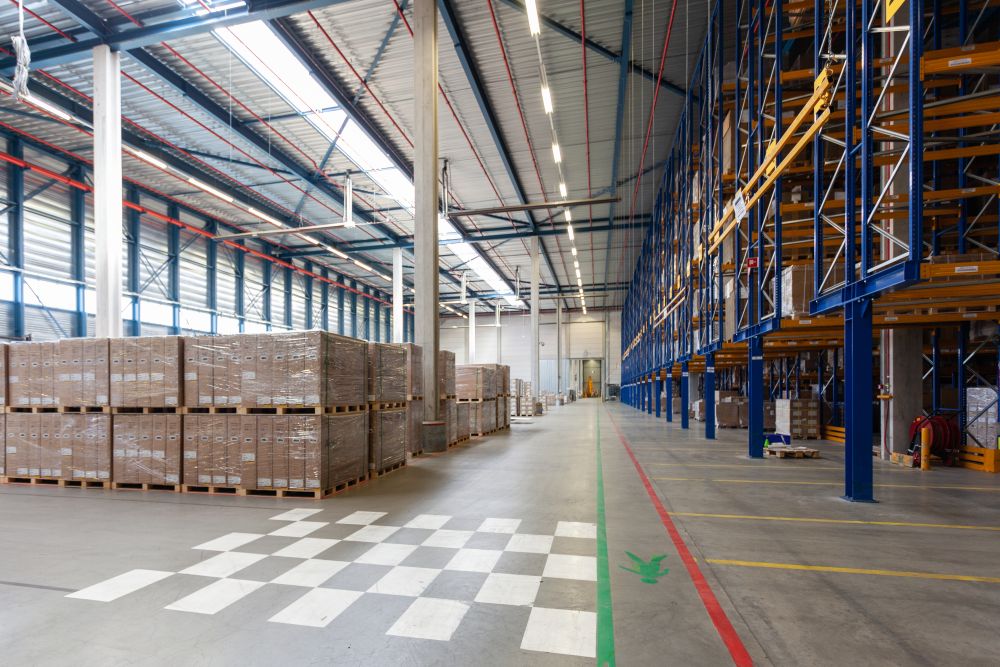
A customs bonded warehouse Miami is a secure, CBP-authorized facility. It allows importers to store foreign goods safely without paying customs duties immediately upon arrival.
This specialized environment is ideal for businesses handling finished retail products. While items remain inside the secured facility, the government does not collect taxes. Therefore, you retain your cash until a final customer purchases the stock.
A free trade zone Miami represents a flexible, secure geographic area located near a US port of entry. Legally, these designated spaces exist entirely outside of US customs territory.
This framework allows for extensive product manipulation before final delivery. For example, assembly teams combine raw materials into retail-ready packages inside the zone. This structural advantage gives international businesses significant control over their manufacturing processes.
Operating within these legal frameworks requires strict adherence to federal trade laws. Therefore, working with a certified CBP compliant warehouse prevents expensive legal setbacks.
Failing to meet federal guidelines leads to severe cargo holds or heavy financial penalties. To safeguard your investments, take time to evaluate your options. Review the necessary criteria for choosing a reliable warehouse partner in the US to maintain a secure supply chain.
The ultimate choice between these two frameworks often depends on your specific financial goals. Both models offer unique methods to preserve your monthly cash flow.
Bonded facilities defer duties until the merchandise leaves the building. However, if you export the product directly to another country, you still face complex drawback procedures. Alternatively, an FTZ eliminates customs duties completely on re-exported goods. You never pay taxes on items that leave the US market.
Furthermore, FTZ users utilize a specialized weekly entry filing system. Instead of paying individual customs processing fees for every container, you consolidate shipments into one single report. This reduces administrative processing costs significantly over time.
The physical handling of cargo differs greatly between both facilities. Importers must evaluate these limitations before choosing a home for their inventory.
Therefore, an FTZ fits companies that must modify products before distribution. If you only require straightforward, safe storage for finished goods, a bonded facility provides a simpler setup. Matching your operational workflow to the correct facility type prevents administrative bottlenecks.
Implementing a smart duty deferral warehousing strategy stabilizes your corporate finances. Knowing when to deploy each specific model ensures maximum cost efficiency.
Ultimately, keeping cash inside your business rather than paying upfront duties increases your corporate flexibility. This smart financial choice demonstrates why warehouse strategy impacts the entire supply chain network from the start.

Maximizing your physical layout is just as important as managing customs compliance. If your facility lacks spatial efficiency, handling overheads will quickly erase your tariff savings.
Modern distribution centers utilize high-density racking networks to optimize vertical space. This architecture allows companies to store more products per square foot. To achieve superior storage efficiency, you must calculate your space requirements accurately. For a detailed guide on improving storage density, explore our analysis of maximizing pallet positions in your facility.
Managing diverse logistics vendors frequently leads to dangerous data gaps. If your warehouse software fails to sync with your customs broker, severe delays occur at the port.
Importers resolve this issue by consolidating operations under a single, experienced partner. Combining your transport lanes with a unified compliance framework keeps data flowing smoothly. This approach ensures total visibility over your customs entries. Discover how this operational control protects your margins by reading about the true benefits of operational control in logistics. Consolidating your network significantly reduces communication friction, highlighting the power of a single partner in logistics.
Selecting between a bonded facility and a Free Trade Zone comes down to your cargo type, volume, and distribution goals. Finished goods with clear US destinations fit well into bonded storage. High-volume operations that require product manipulation before distribution benefit from the flexibility of an FTZ. Deploying the right duty-deferral strategy protects your working capital and keeps your operation moving efficiently in a volatile trade environment.
It allows importers to defer duty payments until the finished products exit the facility to enter the domestic US market.
No. Bonded warehouses only permit basic storage and cleaning. To manufacture or alter products, you must utilize a Free Trade Zone.
An FTZ allows you to consolidate multiple shipments into a single weekly customs report, which slashes your overall processing fees.
Managing unpredictable tariffs requires an experienced partner on the ground. KCE Logistics reduces operational friction by providing certified warehouse infrastructure right in Miami, FL. For instance, we handle both freight movements and domestic fulfillment under one roof to give you total operational control.To protect your business margins, explore our comprehensive Solutions page. We provide International Freight Forwarding, scalable Warehousing, Distribution & Fulfillment, and tailored Specialized Cargo Solutions.
Talk to our team and find out how KCE Logistics supports your compliance and distribution strategy.

A technical guide to managing heavy machinery imports using RoRo shipping via PortMiami efficiently.
A guide to optimizing your supply chain through LatAm nearshoring logistics via certified infrastructure in Miami.
