
3PL vs 4PL vs 5PL: What Each Model Means for Your Supply Chain
07/19/2026
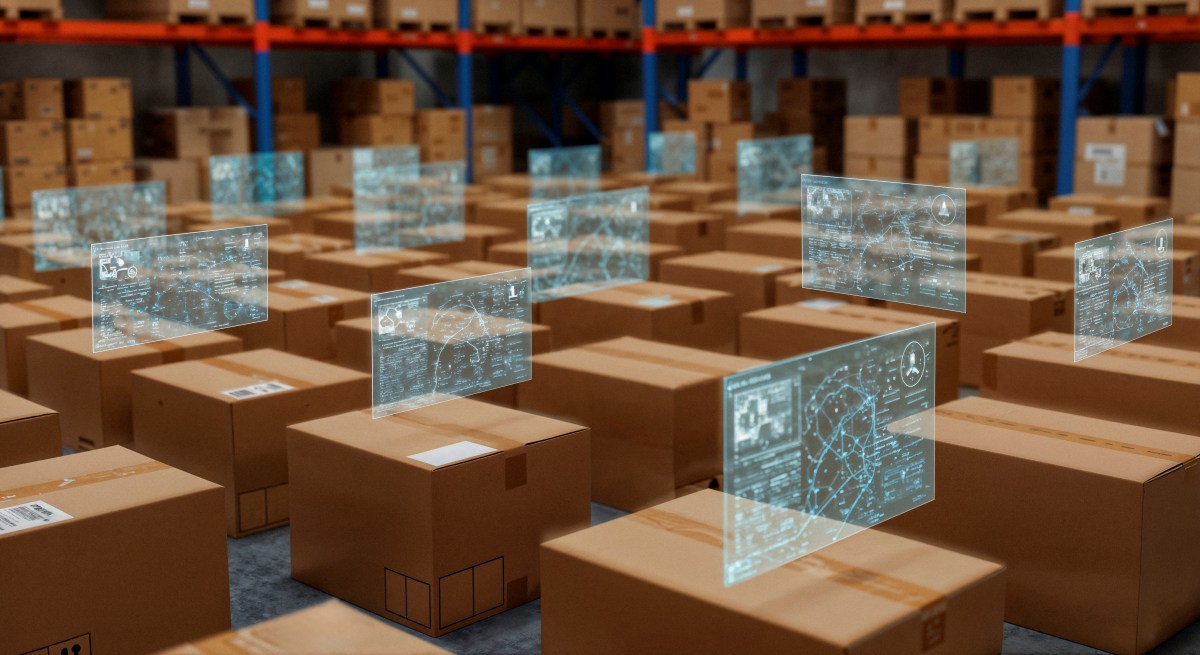
Choosing the right logistics model is one of the most consequential decisions in supply chain strategy. The difference between a 3PL, 4PL and 5PL is not just terminology, it determines how much control you retain, how visible your operation is, and what it costs to scale. This guide breaks down each model clearly so you can identify which structure fits your operation.
The international market has undergone drastic transformations over the last few decades. Historically, manufacturers controlled every step of their commercial distribution internally, absorbing high fixed costs with private fleets and warehouses.
With globalization and the rise of omnichannel retail, the need for deep specialization created structural divisions known as “Party Logistics” (PL). Each numerical tier represents a higher level of responsibility, data integration, and process automation.
Rapid delivery pressures have forced corporations to seek flexible external solutions. Managing heavy fleets and complex storage infrastructure consumes working capital that should be focused on marketing or product development .
Several factors accelerated this evolution:
Outsourcing these steps allows corporations to focus resources exclusively on their core business. Understanding this hierarchy prevents wrong capital investments in physical assets and reduces severe communication errors that derail shipments.
The 1PL (First-Party Logistics) concept represents traditional, self-contained logistics. In this basic model, the manufacturing company owns the entire fleet of vehicles and the physical storage warehouses, managing all daily tasks with internal staff.
No outsourcing exists in a 1PL model, which gives you full control over handling processes. However, expanding geographically under this framework requires continuous multi-million dollar investments, limiting business scalability.
The 2PL (Second-Party Logistics) model emerges when a company decides to outsource strictly the physical transport of commodities. The manufacturer maintains internal management of its warehouse but hires an external carrier for specific trade lanes.
This transition frees the brand from the burden of purchasing and maintaining heavy cargo vehicles. the company must still manage dock efficiency and coordinate pickup schedules, which frequently creates bottlenecks during peak volume seasons.
The 3PL (Third-Party Logistics) model revolutionized global supply chain management. In this tier, the external provider assumes both international transportation and integrated management of warehousing, consolidation, and order fulfillment from end to end.
Eliminating fixed costs from commercial warehouse leases allows brands to invest capital into product innovation. Additionally, the asset-based operator offers highly competitive freight rates due to the cargo volume they move with ocean liners.
Experienced 3PL providers offer shared facilities where they manage client inventory through advanced software. This strategic choice demonstrates why warehouse strategy impacts the entire supply chain.
To understand exactly how this model positions itself against traditional agents, consult our technical analysis on the structural differences between a 3PL vs freight forwarder in the market.
The 4PL (Fourth-Party Logistics) concept elevates outsourcing to a purely strategic level. Unlike the previous tier, a 4PL provider generally operates under an asset-light business model, meaning they do not own physical transport fleets or storage warehouses.
Acting as a neutral integrator, a 4PL operator evaluates the efficiency of every supply chain link without conflicts of interest. The team renegotiates vendor contracts and reallocates volumes among carriers to secure the lowest total logistics cost.
This partner acts as a single point of contact, managing multiple 3PL providers, ocean carriers, and customs brokers. The core focus remains on complete information flow optimization, strict cost auditing, and continuous trade lane engineering.
The 5PL (Fifth-Party Logistics) model represents the most advanced tier in modern supply chain management. This advanced layer addresses the complex needs of digital marketplaces and highly integrated global e-commerce networks.
The focus of a 5PL goes beyond the physical or strategic execution of a single brand. It designs and oversees entire global commerce networks, converting data into improved transit decisions on a multinational and multi-channel scale.
Advanced 5PL operators consolidate the demands of multiple 4PLs into volume networks using artificial intelligence. Management utilizes predictive algorithms to synchronize supply ecosystems and autonomous delivery fleets automatically.
Understanding the core operational focus of each tier helps identify the correct allocation of your corporate logistics expenses. The primary difference lies in the ownership of physical assets and the level of technological autonomy of cloud integrated systems.
A 3PL client needs physical execution: storage, transport, and fulfillment. A 4PL client needs strategic oversight: vendor coordination, cost auditing, and network optimization. A 5PL client operates at a different scale entirely, managing global digital commerce networks through automation and real-time data synchronization.
Key differentiators between the upper tiers include:
The 3PL model focuses on daily operational tasks using tangible assets like loading docks and pallet racks. Discover how to maximize your facility footprint by reading our article focused on planning pallet positions.
Selecting the ideal partnership model depends directly on your sales volume, geographical complexity, and digital maturity. Fragmenting your supply chain with too many lower-tier intermediaries compromises the general efficiency of your enterprise.
If your primary pain point is a lack of warehouse space or slow order picking, a robust 3PL model solves the issue. If you require both physical execution and strategic coordination, the right partner is one that delivers both, certified infrastructure on the ground combined with proactive route engineering, compliance management and real-time visibility across every leg of your supply chain.
Excessive decentralization creates severe communication gaps between ports, customs brokers, and warehouses. Avoid this scenario by analyzing our study on the hidden danger of fragmenting your supply chain with too many logistics providers.
Consult our comprehensive guide regarding the power of a single partner in logistics to understand how to centralize your entire operation with greater security and financial predictability.
. Choosing between a 3PL, 4PL and 5PL comes down to what your operation actually needs. Most B2B importers and distributors operating in the US need a 3PL that delivers more than storage and transport, they need visibility, proactive coordination and a single point of accountability across every leg of their supply chain. That is where the decision starts.
It stands for Party Logistics, indicating the level of outsourcing and integration a vendor provides within a company’s supply chain network.
A 3PL focuses directly on physical asset execution like storage and transport, while a 4PL manages the overarching strategy and vendor coordination.
A 5PL focuses on total automation, utilizing big data and artificial intelligence to manage global e-commerce networks and marketplaces.
Yes. Many brands hire a strategic 4PL partner to architect their global network while trusting physical execution to a localized asset-based 3PL.
Managing the transitions between different provider layers requires an experienced partner with local physical infrastructure. KCE Logistics reduces operational complexity by providing integrated warehousing and freight solutions in Miami, FL, with total visibility.
Protect your profit margins, optimize delivery timelines, and ensure the best operational efficiency in the American market.

A technical guide to managing heavy machinery imports using RoRo shipping via PortMiami efficiently.
A guide to optimizing your supply chain through LatAm nearshoring logistics via certified infrastructure in Miami.