
What is a 3PL? A plain-English guide for importers and online sellers
November 14, 2026
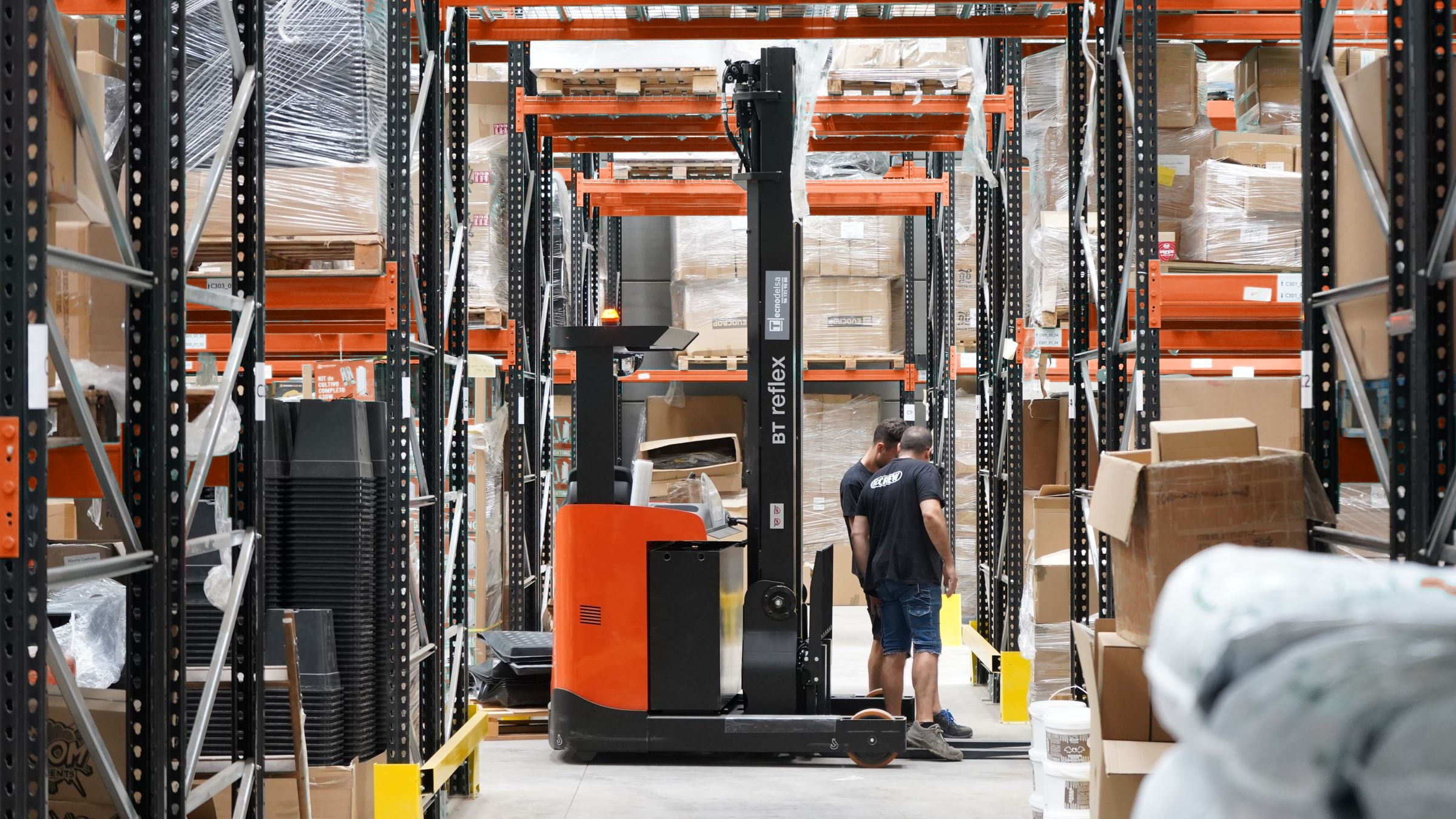
Most importers hear the term long before anyone explains it. So what is 3PL, really, and why does it come up every time someone talks about peak season, warehouse space or faster delivery? The idea is simpler than the jargon suggests, but the details decide whether a 3PL saves you money or just adds another layer of cost. Keep reading to find out what a 3PL actually does, what it costs and how to tell if you are ready for one.
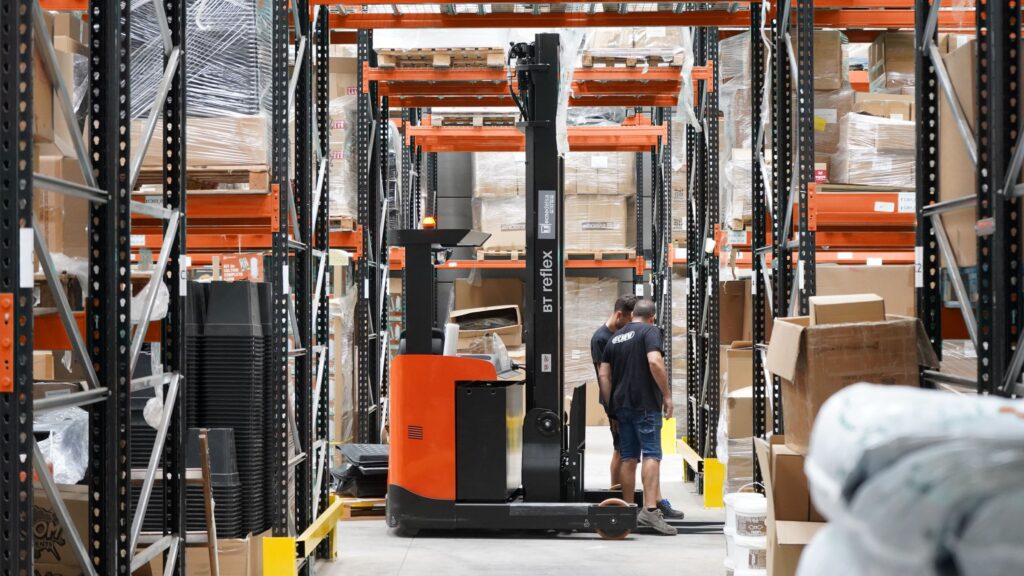
Yesterday’s post looked at the 3PL logistics news behind holiday peak 2026 and NRF’s $1.013 trillion forecast. Today we step back and answer the question behind most peak-season decisions. If you import products, sell online or supply retailers, this guide explains what a 3PL does, how it differs from a freight forwarder or a carrier, what it usually costs and how to know if you are ready for one.
The 3PL meaning is easiest to understand through the numbers in the name. In logistics, the “first party” is the company that owns the goods, such as a manufacturer or a brand. The “second party” is the buyer or the carrier that moves the goods from one point to another. The “third party” is an outside specialist that manages logistics between them. So when people ask what is 3PL, the plain answer is: a logistics partner that is neither the seller nor the buyer, and that runs logistics operations on the seller’s behalf.
You will see the term written in several ways: 3PL, third-party logistics, third party logistics, 3rd party logistics or simply “logistics provider”. They all describe the same idea. A third-party logistics provider can be a small local warehouse or a global company with hundreds of sites. What they share is the business model: they sell logistics capacity and expertise as a service.
For a small or mid-sized business, the 3PL meaning is practical. It means you do not have to lease a warehouse, buy racking and forklifts, hire and train warehouse staff, negotiate with carriers or learn every customs rule yourself. You send your inventory to the 3PL, connect your store or order system, and the 3PL ships orders as they come in. You pay for what you use.

Most 3PLs offer a mix of the services below. Not every provider offers all of them, so when you ask what is 3PL in a sales call, ask also which of these the provider runs in-house and which it outsources.
Receiving is the first step. The 3PL unloads your inbound shipment, counts the units, checks them against your purchase order or advance shipping notice and records any damage or shortages. Good receiving is the foundation of accurate inventory. If units are counted wrong on day one, every later report is wrong too.
After receiving, goods go into storage. A 3PL warehouse may store full pallets on racks, cartons on shelves or individual units in bins, depending on how you sell. Some warehouses also offer special conditions, such as temperature control for food or pharmaceuticals, or bonded storage, where imported goods can wait without duties being paid until they leave the bonded area. We explain what to look for in a 3PL warehouse later this week in our guide to choosing a 3PL in Miami.
Fulfillment is what most online sellers mean when they ask what is a 3PL. When a customer places an order, the 3PL picks the right items, packs them, prints the shipping label and hands the parcel to a carrier. Many 3PLs integrate directly with e-commerce platforms, so orders flow in automatically and tracking numbers flow back to the customer.
Some 3PLs also manage the movement of goods before and after the warehouse. That can include booking ocean or air freight, arranging trucks between the port and the warehouse (drayage), and shipping pallets to retailers. A 3PL that also works as a freight forwarder can manage the full chain from the supplier’s door to your customer.
Imported goods must clear customs before they can be sold. In the United States, the legal filing is done by the importer or by a licensed customs broker, as explained by U.S. Customs and Border Protection. Many 3PLs work with customs brokers or have brokerage teams in-house, so documents, classification and clearance happen in step with warehouse planning.
Value-added services are the extras that make goods ready to sell: labeling, kitting (combining items into one set), repackaging, quality checks and product inserts. These services matter a lot for importers, because products often arrive in packaging that does not meet retailer or marketplace rules.
Returns move in the opposite direction. The 3PL receives the returned item, inspects it, decides whether it can be resold, and updates inventory. After a strong holiday season, returns can be a large share of January volume, so a clear returns process is part of any good 3PL agreement.
People often mix these roles, partly because some companies do more than one. Here is a simple way to tell them apart.
| Role | What it does | Example question it answers |
|---|---|---|
| Carrier | Physically moves goods (ship, plane, truck) | Which vessel or flight carries my cargo? |
| Freight forwarder | Organizes international transport and documents on the shipper’s behalf | How do I get this cargo from Shanghai to Miami? |
| Customs broker | Files customs entries and advises on duties and classification | What duty do I pay, and is my entry correct? |
| 3PL | Runs logistics operations such as storage, fulfillment and distribution | Where do my goods live, and how do orders reach customers? |
A freight forwarder focuses on international movement. In the U.S., ocean freight forwarders and NVOCCs are licensed as ocean transportation intermediaries by the Federal Maritime Commission. A 3PL focuses on operations around storage and distribution. When one company offers forwarding, customs coordination and warehousing together, you get fewer handoffs, which usually means fewer errors and faster answers.
We go deeper into these roles in What is a 3PL brokerage, and how is it different from a freight forwarder?
The basic flow is the same almost everywhere, even if the systems differ.
We will explain this flow in a short format in an upcoming quick answer: how does a 3PL work?
There is no single price, because every business stores and ships differently. Most 3PL pricing combines a few standard lines:
When you compare quotes, look at the total cost for a realistic month, not just the headline storage rate. A low storage price with high pick fees may cost more than the reverse. For a side-by-side cost view, see our comparison of in-house warehousing vs a 3PL in Miami.
The biggest benefit is flexibility. Your volume changes during the year, especially around the holiday peak. With a 3PL, your space and labor grow and shrink with your orders. You avoid paying for an empty warehouse in February or running out of space in December.
A good 3PL knows the rules of carriers, marketplaces, retailers and customs. That knowledge saves you from expensive mistakes, such as labels that a retailer rejects or documents that hold cargo at the port.
3PLs invest in warehouse management systems, barcode scanning, dimensioning and integrations. Small businesses get access to tools they would not buy alone.
A 3PL in the right location shortens transit times. For importers and exporters in the Americas, a warehouse near a major port and airport means faster turnarounds and more options when plans change.
When logistics runs well in the background, your team can focus on product, sales and customers.
A 3PL is not the right answer for every business at every stage. Before you sign, think about these trade-offs.
There is no fixed size at which you must outsource. Instead, look for these signs:
If two or more of these sound familiar, it is worth requesting a few quotes. Our post on what to consider in a Miami logistics partner gives you the questions to ask.
For importers, a 3PL in Miami adds one more layer of value: location. Miami connects ocean and air routes between the United States, Latin America, the Caribbean and Europe. A Miami 3PL can receive ocean containers from Port of Miami, air shipments from Miami International Airport and domestic trucks, then distribute across the U.S. or consolidate for export. That makes it useful for two kinds of companies: U.S. businesses that import goods, and Latin American companies that buy in the U.S. and ship south.
KCE Logistics is a Miami-area logistics provider that combines international freight forwarding, customs coordination and warehousing. For importers, that means one partner for the trip from the origin to the warehouse and from the warehouse to the customer. If you import into the United States, our step-by-step guide, How to import goods into the US through Miami, shows how customs, the ISF and final delivery fit together.
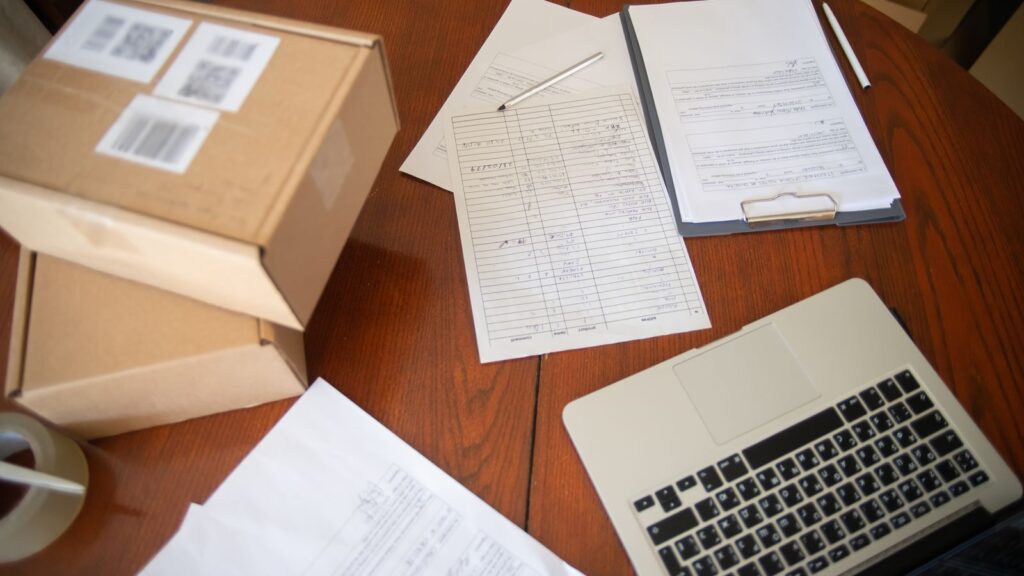
For online sellers, the main value of a 3PL is fulfillment speed and reliability. Customers expect fast, accurate delivery and clear tracking. A 3PL with integrations to your store and marketplaces can receive orders automatically, ship the same day when orders arrive before a cut-off, and send tracking numbers back to the customer. It can also handle returns, which are a normal part of online retail.
Since August 2025, the U.S. has suspended the $800 de minimis exemption, so many online sellers that imported small parcels directly now bring goods in bulk, clear them once and store them in the U.S. A 3PL makes that model practical. We explain the change in an upcoming guide to importing goods into the US through Miami.
A good first conversation saves weeks later. Before you request quotes, gather the information below. Providers can only price accurately when they understand your operation.
3PL stands for third-party logistics. A 3PL is a company that runs part or all of your logistics for you, such as receiving goods, storing them, picking and packing orders, shipping to customers and coordinating freight and customs paperwork. You keep control of your products and your customers. The 3PL provides the space, people, systems and carrier relationships that move the goods.
What is 3PL in simple words? It is a company you hire to store your products, ship your orders and manage parts of your supply chain, so you can focus on selling.
3PL stands for third-party logistics. The “third party” is the logistics provider that works between the seller and the buyer.
A 3PL can be a warehouse that ships online orders for several brands, a provider that stores imported goods near a port and delivers them to retailers, or a company that combines freight forwarding, customs coordination and warehousing, like KCE Logistics in Miami.
Not always. A freight forwarder organizes international transport. A 3PL runs logistics operations such as storage and fulfillment. Some companies are both.
You likely need one when logistics takes your time away from growth, when you run out of space, when errors rise or when you want to reach new markets faster.
Ready to ship?
Need a quote for your next shipment?
Tell us what you are shipping and our Miami team will get back to you with a quote.
Most importers hear the term long before anyone explains it. […]
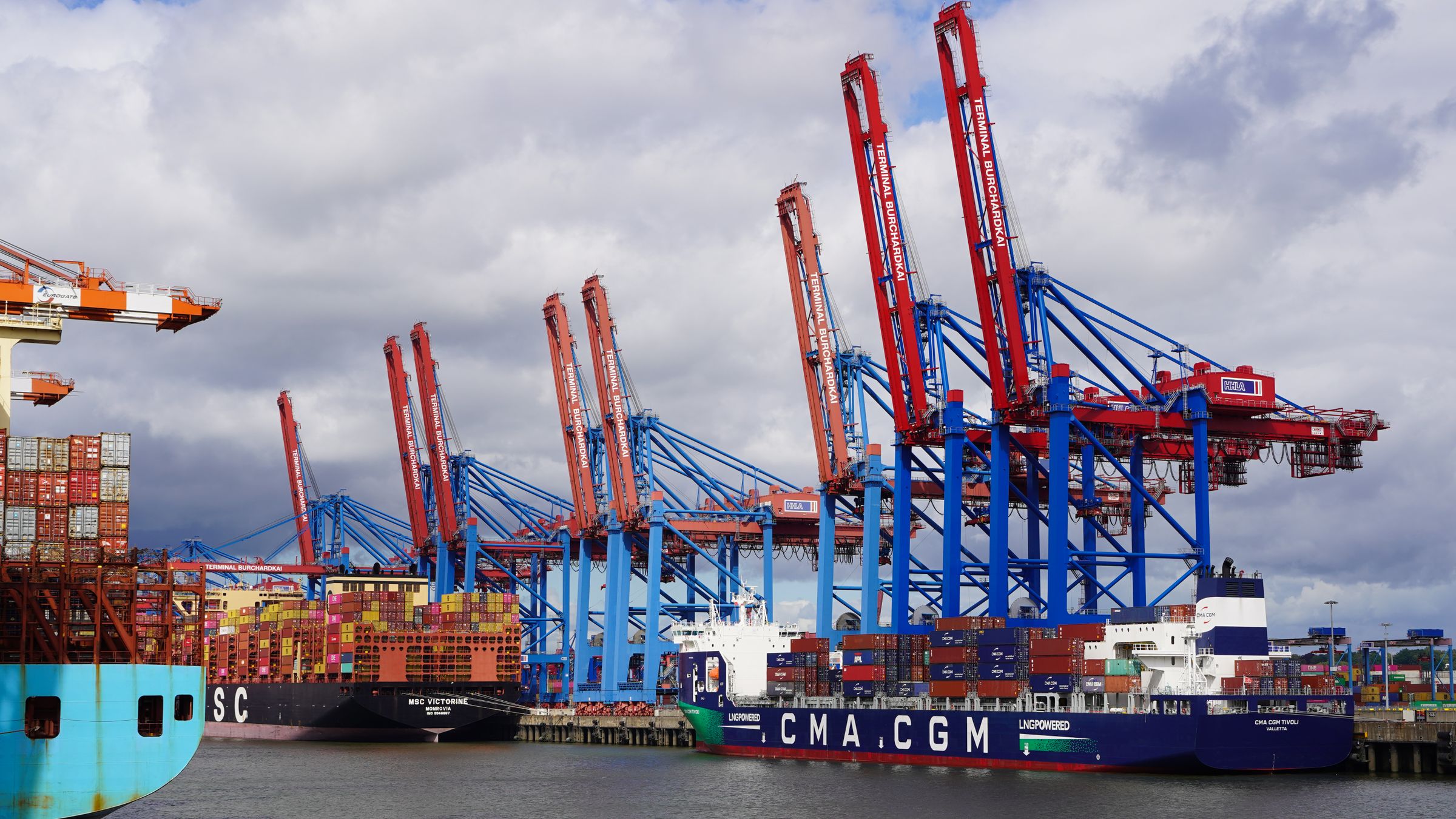
Retailers have just put a number on this holiday season, […]