
Handling Specialized Cargo in Miami: Logistics Guide
08/19/2026
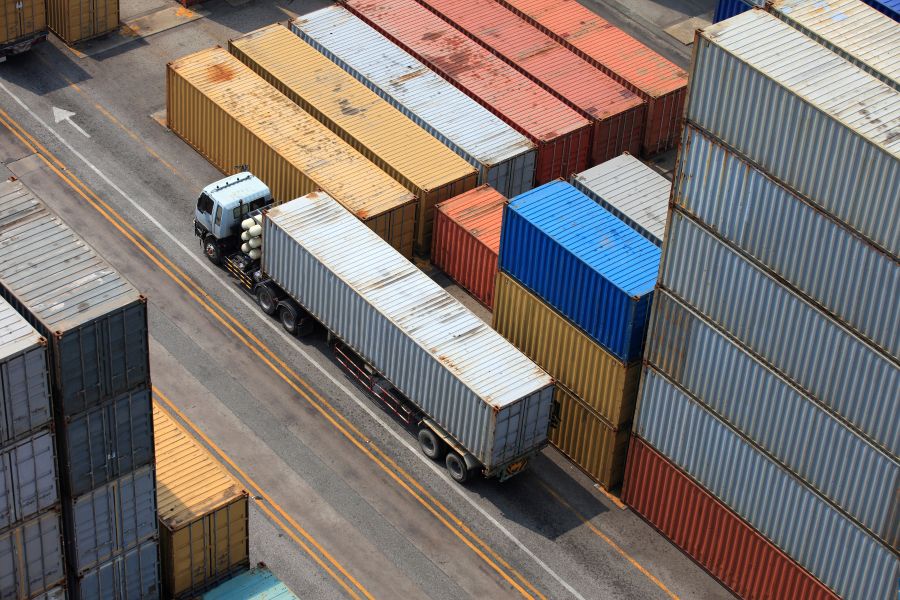
Moving oversized freight requires strict engineering and precise route planning. Standard supply chain methods fail when handling specialized cargo in Miami, requiring certified warehouse infrastructure to maintain compliance[cite: 2, 5].
Executing these non-standard movements requires working with an experienced logistics provider. Proper technical planning reduces costs and protects valuable machinery during transit.
Assess your current heavy-lift strategy and discover how to manage oversized logistics effectively to protect your supply chain.
Specialized freight includes heavy, out-of-gauge (OOG), or high-value equipment that cannot fit inside standard shipping containers. These complex movements demand customized logistical plans tailored to exact physical dimensions.
Standard automated port terminal systems are not designed for irregular freight configurations. Every special configuration presents unique spatial challenges that demand personalized engineering blueprints to ensure safe lifting and transport.
Common types of specialized cargo include:
Executing an oversized movement begins months before the cargo arrives at the local port. Comprehensive route engineering is a mandatory prerequisite to support safe passage across public infrastructure networks.
Logistics coordinators perform physical route surveys to map the entire journey comprehensively. This proactive process identifies low bridges, weight-restricted roads, and narrow turns that could delay your transport. Identifying physical restrictions in advance allows the team to plan alternative routes before the cargo moves.
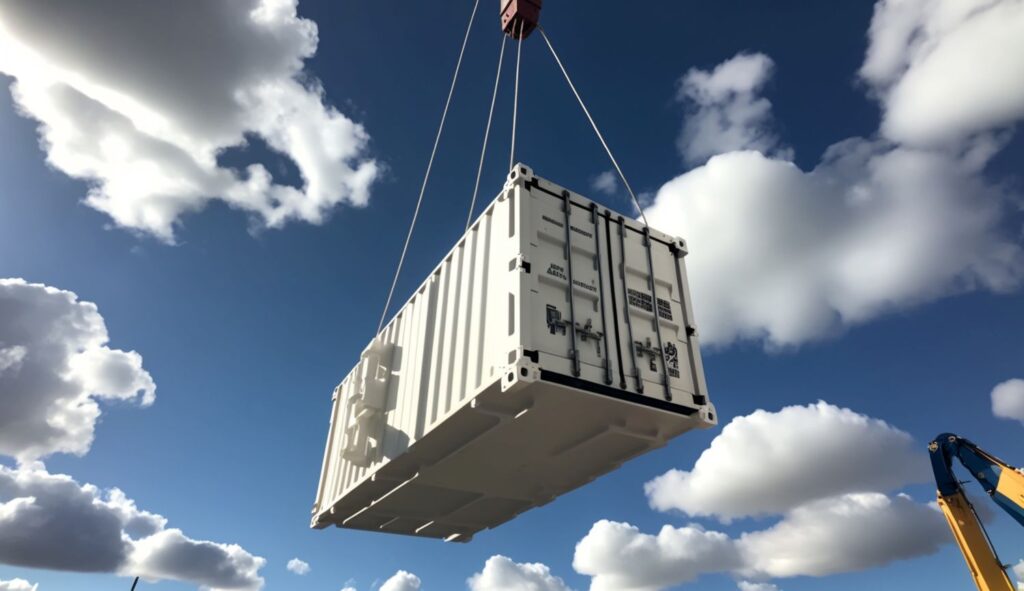
Navigating the complex legal frameworks governing heavy transport requires continuous coordination with transit authorities. Securing the appropriate permits before departure keeps the operation compliant and on schedule.
Superloads require customized Department of Transportation approvals detailing exact travel windows and axle weight distributions. Certified civilian escort vehicles must often accompany the heavy convoy to maintain public road safety during the entire journey.
Successful project execution depends on steady cargo transfers between maritime vessels and custom multi-axle trailers. Loading heavy units demands specialized terminal hardware, floating cranes, and expert manual rigging.
Utilizing transloading services balances execution speeds against total expenditures during industrial handoffs. This disciplined handling protects delicate mechanical components from structural damage during intermodal transfers.
Aligning international ocean freight with domestic heavy hauling timelines prevents severe terminal delays. Aligning ground transport with vessel arrival windows keeps the operation moving without unnecessary dwell time at the terminal.
Deploying a disciplined freight mode selection strategy reduces your overall costs. This logistical framework connects international arrivals with local heavy hauling timelines to maintain steady cargo velocity.
Juggling separate contracts for ocean transport, custom rigging, and specialized trucking introduces high coordination risks. Fragmented vendor networks create coordination gaps that affect project timelines.
Centralizing your industrial movement under a single partner removes administrative friction. This gives executives direct control and supports consistent global delivery performance across complex trade lanes.
Review the hidden danger of fragmenting your supply chain with too many logistics providers to avoid expensive mistakes. Unified management secures your investments and simplifies financial auditing.
Transporting heavy machinery demands strict security monitoring from origin to final destination. High-value cargo requires more than standard location tracking during long transits.
Coordinating with certified drayage partners supports continuous active condition monitoring. Real-time sensors detect unauthorized door openings and monitor structural impacts during multi-state highway transport, keeping your assets secure.
Operating near PortMiami provides distinct routing advantages for oversized imports. The port features specialized roll-on/roll-off (RoRo) berths and heavy-lift crane infrastructure designed specifically for industrial machinery.
Extracting out-of-gauge containers quickly keeps your supply chain moving. Coordinating with local handlers reduces the time your valuable equipment sits exposed to the elements at the busy maritime terminal.
Specialized cargo logistics requires more planning, more coordination and more technical expertise than standard freight. Route engineering, permit management, port coordination and vendor consolidation all need to be in place before the cargo moves. Miami gives industrial importers direct access to the infrastructure this process requires, including RoRo berths, heavy-lift crane access and intermodal connectivity.
Freight that exceeds standard container limits, requiring custom multi-axle trailers and heavy-lift handling equipment.
They identify physical barriers like low bridges and weight-restricted roads to prevent sudden delays during transport.
An experienced logistics provider coordinates all municipal and federal DOT permits required for safe public highway transit.
KCE coordinates specialized cargo operations from our certified hub in Miami, managing customs documentation, multimodal routing and compliance across international and domestic legs, working alongside certified carriers and handling specialists.
At KCE Logistics, we manage specialized cargo solutions from our certified hub in Miami. Our operations in Hialeah, FL include precise route engineering and strict compliance support.
Explore our International Freight Forwarding, Warehousing, Distribution & Fulfillment, and Specialized Cargo Solutions. Talk to our team and find out how KCE supports your specialized cargo strategy.

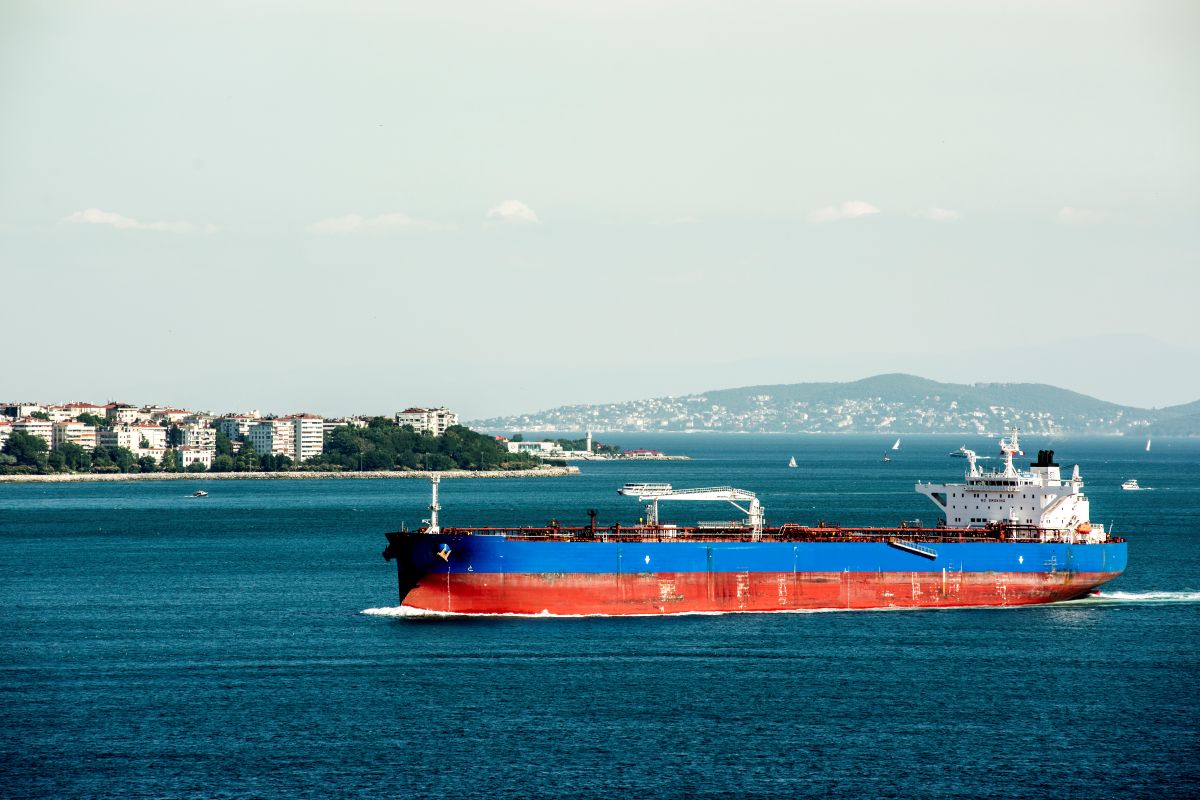
A technical guide to managing heavy machinery imports using RoRo shipping via PortMiami efficiently.
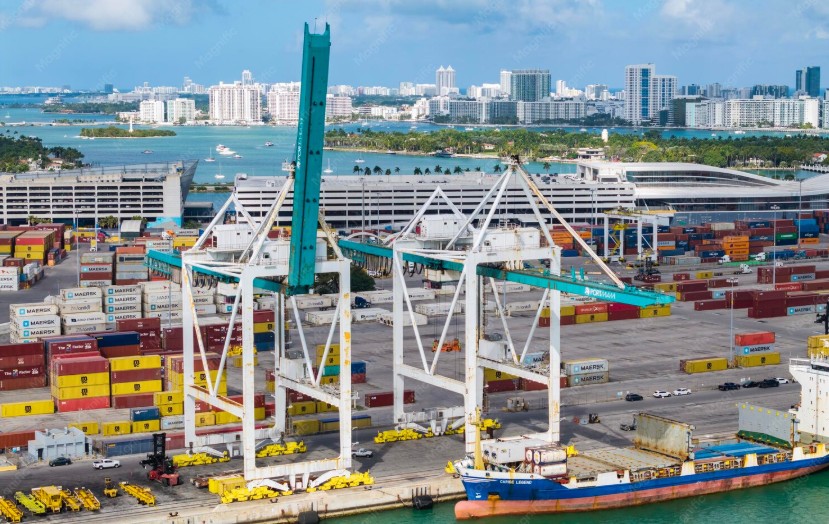
A guide to optimizing your supply chain through LatAm nearshoring logistics via certified infrastructure in Miami.