
For supply chain managers, balancing transit speed and transportation budgets is a daily operational challenge. Air cargo shipping provides rapid delivery, but it requires precise financial management to maintain product margins.
Understanding how carriers calculate prices empowers procurement teams to optimize their spending. Partnering with expert air freight services in Miami supports your global distribution network efficiently.
This guide breaks down how air freight pricing works, which fees to anticipate, and how to structure your budget to use air transit profitably.
Carriers price shipments based on weight and volume. The primary calculation involves comparing the actual physical weight of your cargo against its volumetric weight.
Airlines charge based on whichever number is higher. This pricing model allows carriers to maximize their revenue per flight, ensuring that lightweight but bulky items do not consume valuable aircraft space for free.
The base freight rate represents only one part of your total logistics cost. Importers often face unexpected surcharges that inflate the final invoice. Knowing these fees allows you to audit your bills accurately.
Airlines adjust fuel surcharges constantly based on global oil market volatility. These specific costs fluctuate weekly and directly impact your final transportation pricing.
Ground crews charge fees to unload and move your cargo from the aircraft to the storage warehouse. These handling fees vary widely depending on the airport and the specific ground handler used.
Shipping large, lightweight items by air requires careful planning. Since aircraft have strict spatial limitations, carriers charge based on volume when it exceeds actual physical weight.
You must calculate the volume of your pallets before booking space. Optimizing your packaging to reduce empty space lowers your dimensional weight and reduces your dimensional weight and lowers your total freight cost. Consider learning about pallet positions to improve your packing density.

Miami International Airport operates as a global powerhouse for international cargo. It offers daily flight frequencies connecting the United States to Latin America and Europe.
This volume of commercial traffic creates competitive pricing for companies shipping through South Florida. Routing air cargo through Miami International Airport gives importers direct access to daily flight frequencies connecting the US to Latin America and Europe.
Not every product requires air freight. Smart supply chain managers segment their inventory based on delivery urgency and current consumer demand.
Implementing a disciplined freight mode selection strategy lowers total costs. Send urgent restocking orders by air while moving bulky seasonal inventory via cost-effective ocean freight.
Consolidating your shipments is an effective way to reduce costs. Freight forwarders combine your goods with other shipments to secure better bulk rates from commercial airlines.
You must provide accurate commercial invoices early. Submitting your customs documentation ahead of time helps prevent federal holds and storage penalties at the airport terminal.
Key optimization steps include:
Relying on separate brokers for air transit, customs clearance, and last-mile trucking creates gaps in visibility during critical transits. This fragmented approach causes communication delays during critical transits.
Discover the hidden danger of fragmenting your supply chain with too many logistics providers to protect your budget. Unifying your operations with a single partner supports better operational control in logistics.
Air freight costs go beyond the base rate. Fuel surcharges, dimensional weight calculations, terminal handling fees and customs documentation all affect your final cost per shipment. Understanding each element gives procurement teams the visibility to plan more accurately and protect product margins. The right air freight partner in Miami coordinates all of these variables proactively, keeping your cargo moving and your budget predictable.
It is a pricing metric that calculates the volume of your cargo. Airlines charge based on volume if it exceeds the actual physical weight.
Optimize your packaging to reduce empty space, consolidate smaller shipments, and segment non-urgent inventory for ocean transport.
Miami provides daily flight volumes to Latin America and Europe. This capacity supports competitive rates and rapid transit times.
KCE coordinates air freight operations and manages last-mile delivery through certified drayage partners to optimize your budget.
What is the difference between air freight and express courier services?
Air freight handles commercial cargo volumes through airline cargo networks, with customs clearance managed by a licensed forwarder. Express courier services handle smaller parcels with simplified customs processes. For B2B imports, air freight through a licensed forwarder typically offers better rates and compliance management at higher volumes.
At KCE Logistics, we coordinate air freight services from our certified hub in Miami. Our operations in Hialeah, FL include managing airline allocations, customs documentation and compliance.
Explore our International Freight Forwarding, Warehousing, Distribution & Fulfillment, and Specialized Cargo Solutions.
Talk to our team and find out how KCE supports your air freight strategy.

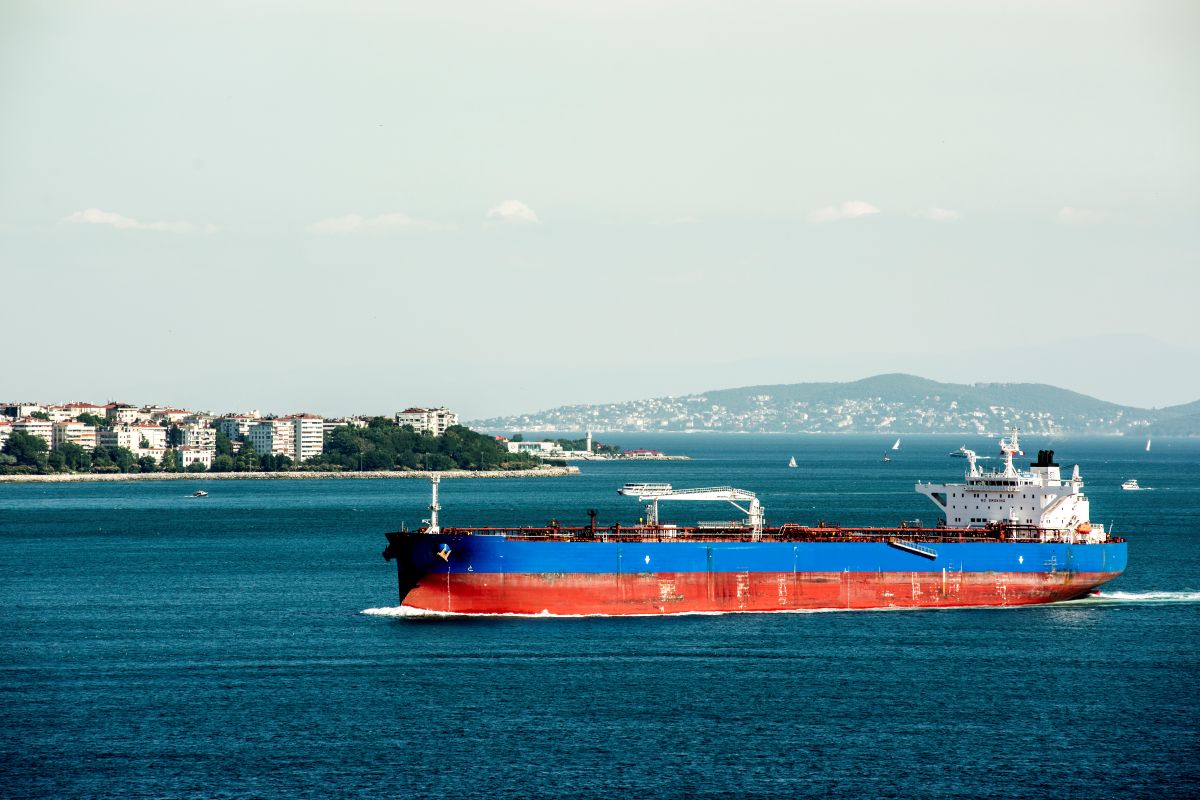
A technical guide to managing heavy machinery imports using RoRo shipping via PortMiami efficiently.
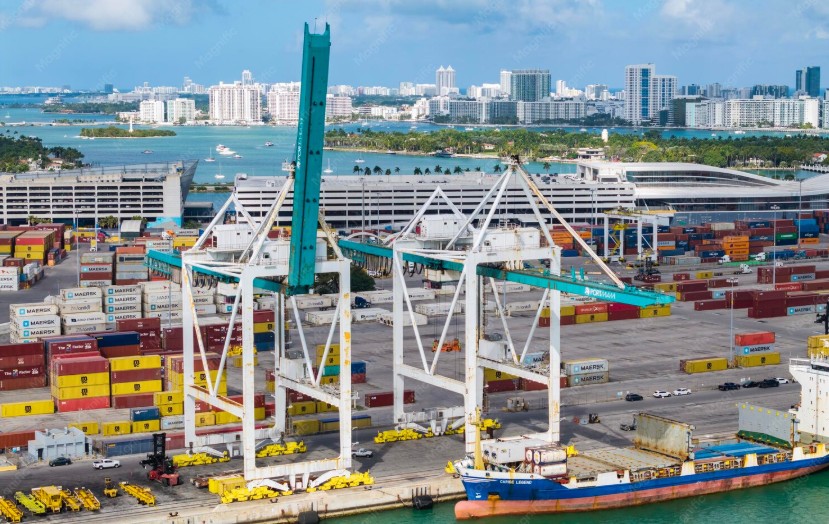
A guide to optimizing your supply chain through LatAm nearshoring logistics via certified infrastructure in Miami.
