
Special and Personalized Cargo Logistics: Understand How It Works
07/26/2026
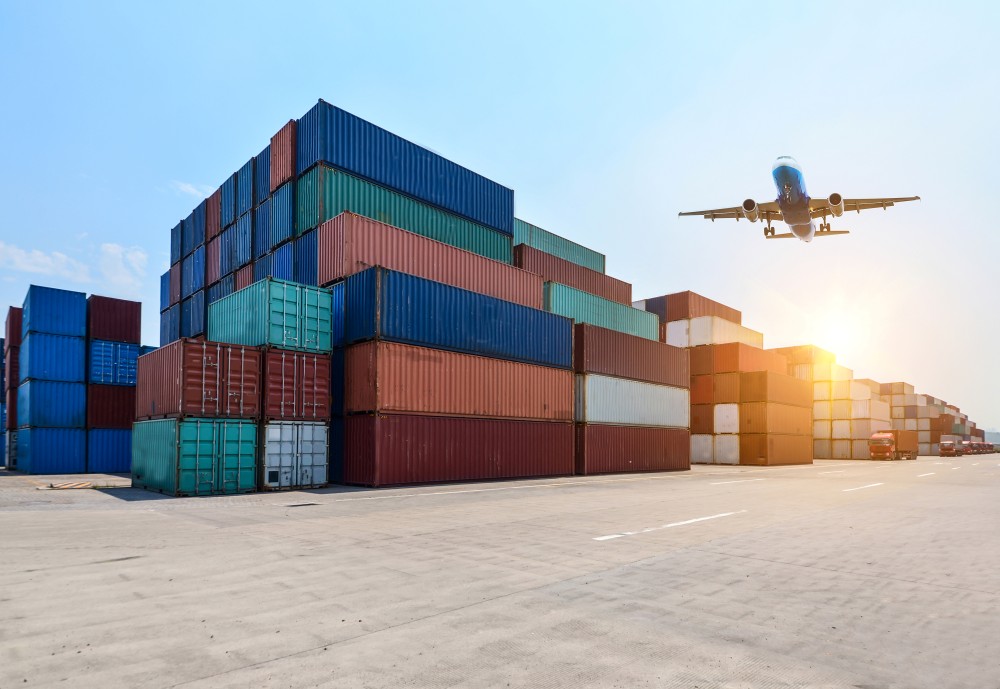
Moving high-value, oversized, or structurally complex cargo requires a fundamentally different approach from standard freight. Every special shipment demands its own logistics plan, engineered from origin.
For supply chain directors managing these movements, selecting the right specialized cargo partner determines whether the operation runs on schedule or generates costly disruptions. This guide covers what that process actually requires.
Special freight encompasses the transportation of heavy, oversized, valuable, or structurally delicate equipment. Unlike standard containerized shipping, these complex movements require dedicated logistical plans tailored to the exact specifications of the cargo.
Standard automated port terminal systems fail when handling irregular freight. Every special cargo configuration presents unique physical dimensions that demand personalized engineering blueprints, custom crating, and strict manual rigging oversight at all times.
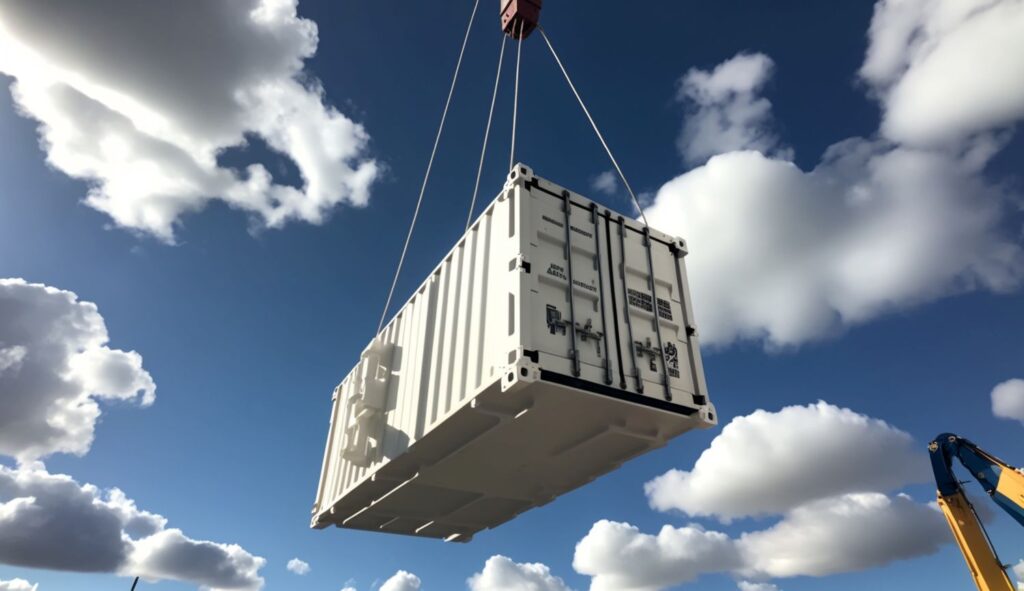
Common types of specialized cargo include massive industrial turbines, sensitive medical equipment, aerospace components, and luxury vehicles. These items require customized vessels or multi-axle trailers to distribute total weight safely across public highways.
Mismanaging these high-value assets introduces significant financial exposures into your supply chain. Shippers must prioritize asset-based logistics partners who maintain total operational control over specialized transport equipment and heavy-lift rigging infrastructure.
Executing a specialized movement begins months before the physical shipment arrives at a local port terminal. Comprehensive route engineering is an essential first step to support safe passage across public infrastructure networks and avoid unexpected transit delays.
Specialized logistics coordinators perform physical route surveys to map the entire journey comprehensively. This proactive process identifies critical logistical bottlenecks that paralyze heavy transport, such as:
Discovering an unmapped physical restriction during transit forces immediate, costly re-routing maneuvers. Detailed structural road planning reduces the risk roadside disruptions, protects your baseline product margins, and secures your delivery schedules.
Navigating the complex legal frameworks governing specialized transport requires continuous coordination with municipal and federal transit authorities. Failing to secure appropriate legal permits triggers immediate vehicle impoundments and regulatory fines.
Superloads require customized approvals from the Department of Transportation (DOT) detailing exact travel windows, route restrictions, and axle weight distributions. These legal guidelines vary significantly across state lines, demanding proactive compliance auditing.
Certified civilian escort vehicles must precede and follow the heavy haul trailer during the entire journey to maintain public safety standards.Transits are frequently restricted to specific nighttime windows to minimize public traffic disruptions.
Successful project execution depends on the seamless transfer of cargo between maritime vessels, rail networks, and specialized transport configurations. The loading of heavy units demands specialized terminal hardware, including floating cranes and modular trailers.
Deploying a disciplined freight mode selection strategy balances execution speeds against total capital expenditures. This logistical framework aligns international freight arrivals with domestic heavy hauling timelines.
Advanced planning ensures that specialized lifting rigs match the physical center of gravity of your heavy machinery. This engineering focus reduces handling stress and minimizes structural wear on fragile internal mechanical components during intermodal transfers.
To facilitate these complex transfers, utilizing a strategic multimodal hub provides immediate logistical advantages, including:
Standard cargo insurance policies rarely cover the extreme liability exposures associated with heavy-lift or sensitive shipments. Importers must demand customized transport liability coverage tailored exactly to the physical dimensions and financial values of their goods.
Working with a provider that utilizes certified lashing, blocking, and bracing protocols reduces the risk of component shifts during ocean transit. Heavy marine movements demand engineered securing solutions to survive rough ocean conditions without structural damage.
To understand how these specialized safeguards compare to standard consumer transport, review our comprehensive guide regarding how to import a car in the US under strict federal compliance frameworks.

Managing a multi-phase industrial deployment without real-time data integration creates coordination gaps for your project engineers. Executives must demand automated status tracking across every transportation leg to maintain full network visibility.
Modern project logistics utilizes advanced telemetry and remote sensor tracking to monitor cargo positioning, transit speeds, and physical shock indicators during transport. Sensors can also track internal temperature fluctuations for sensitive commodities.
This real-time data flow allows project managers to coordinate on-site installation crews efficiently. Real-time digital updates prevent engineering teams from sitting idle due to unmapped transportation delays, protecting your capital expenditures.
Juggling separate contracts for ocean transport, port rigging, customs brokerage, and customized heavy trucking introduces high coordination risks into your supply chain. When communication drops between vendors, project timelines stall and operational overhead grows.
Consolidating your entire industrial movement under a single asset-based partner reduces administrative friction. This strategic alignment gives executives true operational control in logistics networks, and supports consistent global delivery performance.
Single-source providers streamline operations, offering specific operational advantages including:
Discover the core benefits of supply chain consolidation by exploring the power of a single partner in logistics. Moving to a single source avoids the hazards of fragmenting your supply chain with too many logistics providers.
Specialized cargo demands more than transport capacity. It demands a partner who engineers the operation before the freight moves and manages every variable until it arrives.
The right partner in that ecosystem does not react to problems. They engineer around them before they happen, protecting your project timeline, your cargo integrity, and your budget from the first mile to the last.
Any unique, heavy, or out-of-gauge freight that cannot fit inside standard shipping containers, requiring a customized transport and handling plan.
To identify physical infrastructure barriers like low bridges or weight-restricted roads, ensuring the convoy moves safely without unexpected delays.
Teams utilize certified lashing, blocking, and bracing protocols engineered specifically for the cargo’s center of gravity to prevent any shifting.
Generally, no. Special logistics requires advanced engineering blueprints, customized transport permits, and heavy-lift assets traditional brokers lack.
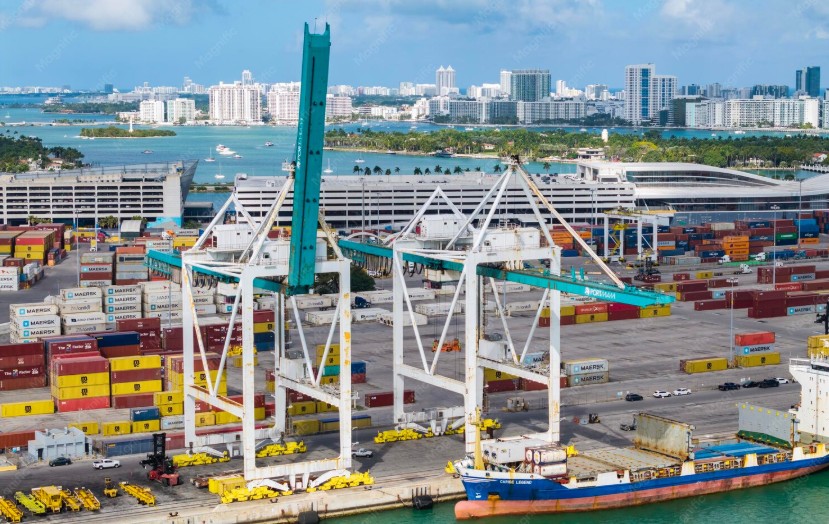
Managing complex, personalized cargo requires an experienced partner with specialized physical assets on the ground. At KCE Logistics, we coordinate route engineering, compliance permitting, and multimodal execution from our certified hub in Miami, giving you full visibility across every stage of the operation.
Explore our comprehensive Solutions hub, offering elite International Freight Forwarding and scalable Warehousing, Distribution & Fulfillment.
Check our Custom and Specialized Cargo Solutions.

A guide to optimizing your supply chain through LatAm nearshoring logistics via certified infrastructure in Miami.

Navigating international trade requires precise documentation. Managing US Customs Clearance […]