
Project Cargo Services in Miami: Out-of-Gauge & Heavy-Lift Logistics
07/05/2026
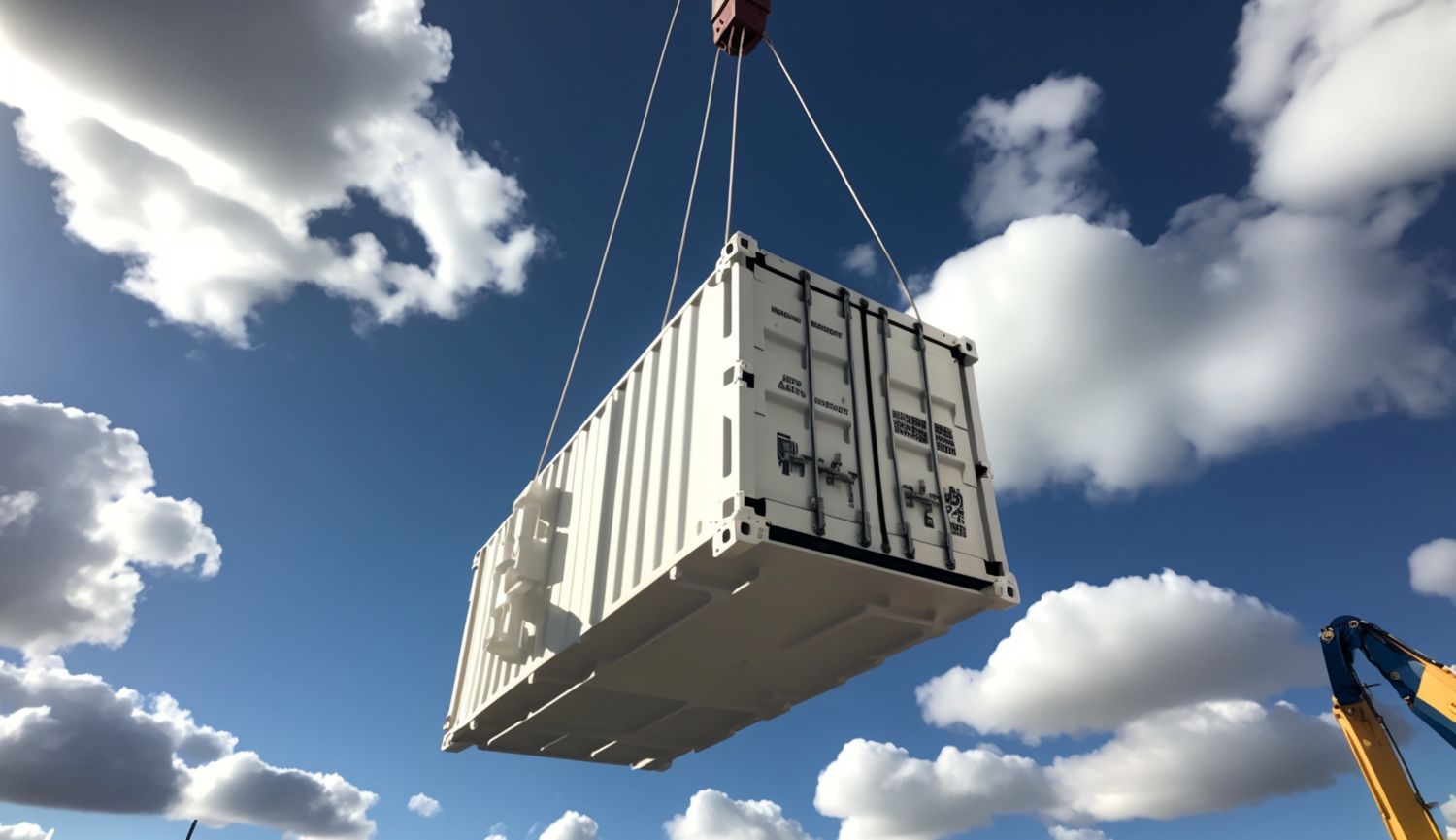
Moving out-of-gauge and heavy-lift cargo requires a fundamentally different approach from standard freight forwarding. Every shipment demands a custom logistics plan, engineered from origin, not adapted at the port.
For procurement directors managing industrial moves through South Florida, selecting the right project cargo partner in Miami is one of the most consequential decisions in the operation. This guide covers what that process actually requires.
Project freight covers the transportation of heavy, oversized, or high-value industrial equipment. Unlike standard containers, these complex movements require dedicated, engineered logistics plans from the very point of origin.
Common types of out-of-gauge cargo include massive turbines, wind energy components, and large machinery. These shipments require specialized vessels or multi-axle trailers to distribute total weight safely across public highways.
Executing a heavy-lift movement begins months before the shipment arrives at a port terminal. Comprehensive route engineering is a essential first step to support safe passage across public infrastructure networks.
Specialized coordinators perform physical route surveys to map the entire journey. This process identifies physical barriers that can disrupt heavy transport , such as:
Navigating oversized transport laws requires continuous coordination with transit authorities. Failure to secure proper permits results in immediate vehicle impoundment and steep regulatory fines.
Superloads require Department of Transportation (DOT) approvals detailing exact travel windows. Certified civilian escort vehicles and escorts must accompany the heavy convoy to mitigate road accidents.
Successful execution depends on coordinated cargo transfers between vessels, rail, and trucks. Utilizing specialized transloading services balances execution speeds against total expenditures during complex industrial handoffs.
Scheduling timelines requires precise scheduling to avoid extra costs. If a partner miscalculates vessel arrival, your company faces high hourly detention surcharges for idle rigging crews.
Deploying a disciplined freight mode selection strategy balances execution speeds against total expenditures. This framework connects international freight with domestic flows.
Standard insurance policies rarely cover the extreme exposures of heavy industrial freight. Importers must demand customized liability coverage tailored exactly to the physical dimensions and financial values of their machinery.
Using certified lashing prevents component shifting during ocean transit. To evaluate this rigor, see how to import a car in the US under strict federal compliance rules.
Miami serves as the strategic entry point for global industrial cargo. PortMiami features robust dock weight capacities and deep-water berths designed to handle large vessels efficiently.
Local infrastructure allows discharging heavy cargo directly onto waiting rail lines. This rapid intermodal access bypasses dense urban traffic and connects the freight directly to national corridors.
Traditional forwarding fails with irregular pieces that require individual plans. Understand these differences by analyzing the guide on 3PL vs freight forwarder business models.
Managing multiple contracts introduces high coordination risks and failures. Centralizing operations under a single asset partner reduces coordination complexity and secures corporate expense control.
Having a single point of contact improves data visibility and operational control in logistics. This unification protects your project margins against wasted time.
Unified management protects your operation against logistical risks. Discover the advantages by exploring the power of a single partner in logistics for maximum predictability.
Avoid hidden costs by reviewing the hidden danger of fragmenting your supply chain with too many logistics providers. Structured management optimizes delivery timelines.
Project cargo moves are won or lost in the planning phase. Route engineering, compliance coordination, and multimodal sequencing all need to be in place before the freight leaves origin.
Miami gives industrial importers a structural advantage, deep-water access, intermodal connectivity, and a specialized logistics ecosystem. The right partner in that ecosystem makes the difference between a controlled operation and a costly disruption.
Any heavy, oversized, or out-of-gauge freight that cannot fit inside standard containers, requiring a custom transport and handling plan.
To identify physical infrastructure barriers like low bridges or weight-restricted roads, ensuring the convoy moves safely without unexpected delays.
Generally, no. Project logistics requires advanced engineering blueprints, specialized transport permits, and heavy-lift assets traditional brokers lack.
We coordinate pre-clearance with CBP and government agencies before the vessel arrives to eliminate administrative bottlenecks or unexpected port delays.
Managing customs clearance, multimodal routing, documentation, and compliance across international and domestic legs. Our team works alongside specialized heavy-lift carriers and rigging operators to keep your industrial move on schedule and within budget.
To protect your industrial project margins, explore our comprehensive Solutions hub. We provide elite International Freight Forwarding.
We also provide scalable Warehousing, Distribution & Fulfillment and tailored Specialized Cargo Solutions for heavy-lift needs.
Secure your operational safety and protect your corporate financial planning.

A guide to structuring your Q4 eCommerce logistics and managing peak season order volumes in Miami.

A guide on how real-time cargo tracking supports modern global logistics visibility.