
What Is Transloading — and Why It Saves Importers Money on Last-Mile Distribution
06/06/2026
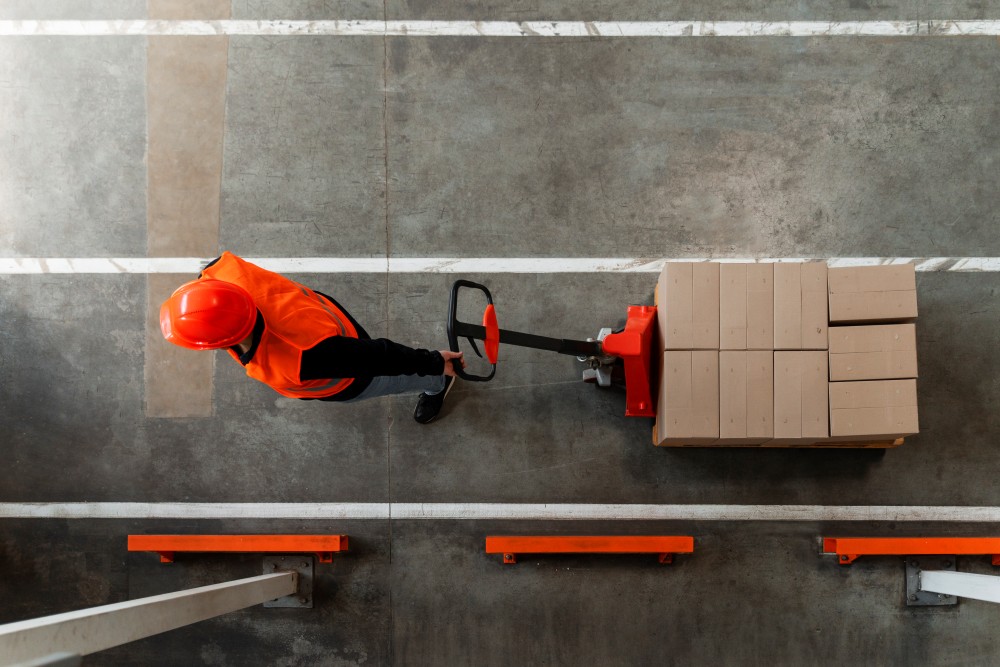
Managing global shipping costs requires smart, flexible strategy. Most importers lose margin not at the port — but in the final stretch, moving cargo inland. Transloading is one of the most effective tools available to reduce those costs, eliminate unnecessary handling fees, and accelerate domestic distribution. This guide breaks down how it works and why it belongs in your US supply chain strategy.
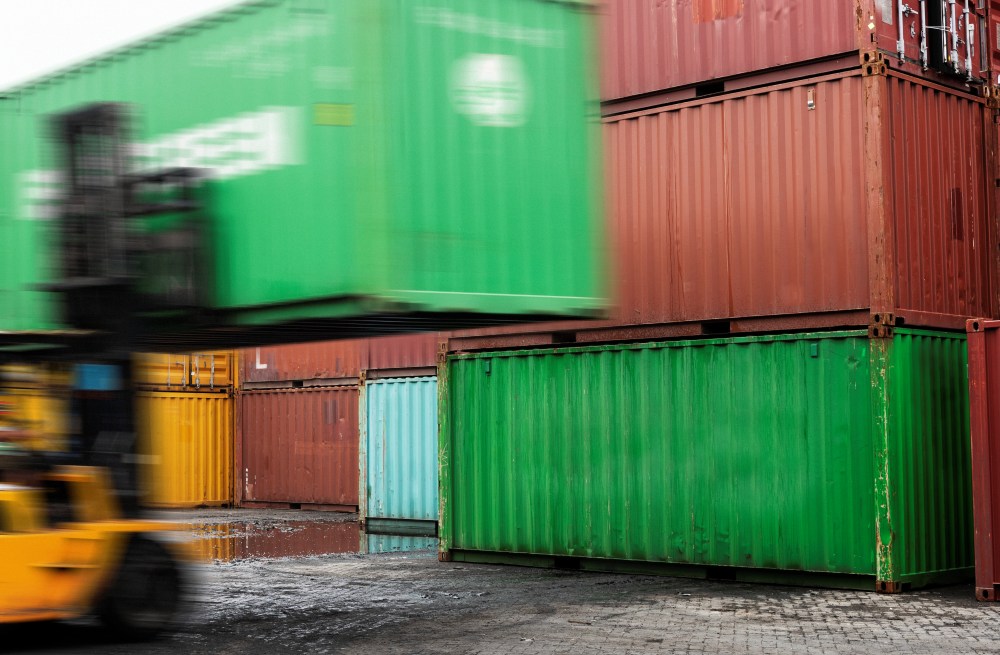
Transloading represents the physical process of moving cargo from one transport mode to another during transit. Usually, this activity happens at a strategic hub near major ocean ports or rail yards.
This method eliminates the need to haul heavy ocean containers deep inland. Companies maintain an agile distribution model that adapts to changing order volumes. It serves as a core component of successful intermodal logistics systems worldwide.
Many supply chain directors confuse these two popular fulfillment methods. However, understanding the exact technical difference between cross-docking vs transloading prevents costly mistakes.
Cross-docking involves minimal storage and almost zero sorting. The warehouse team receives palletized goods from a manufacturer and moves them directly to an outbound truck. Typically, the product configuration stays exactly the same throughout the process.
Alternatively, transloading involves palletizing floor-loaded cargo, consolidating shipments, or splitting large bulk orders. It allows you to change the actual transport vehicle, such as moving cargo from an ocean vessel to domestic 53-foot trailers. This step gives you the chance to optimize storage capacity before the final delivery leg.
Location plays a critical role in shipping efficiency. Therefore, utilizing a specialized transloading warehouse Miami grants international businesses a major geographical advantage.
Importers who look at how LATAM companies are expanding into the US often choose Florida as their primary gateway. By unloading ocean freight quickly in Miami, you avoid costly port congestion and return empty ocean containers on time.
Shipping ocean containers directly across the US via truck is significantly more expensive. Instead, successful brands use smart intermodal logistics to combine the strengths of sea, rail, and road transport.
This combined approach drives down the total cost per mile, it protects your cargo from unpredictable highway delays and fuel price spikes. You gain a more predictable budget.
To understand the financial value of transloading, consider the container consolidation math. International ocean shipments utilize 40-foot containers, while domestic over-the-road trucking relies on larger 53-foot trailers.
Because 53-foot trailers offer more internal volume, the math works in your favor. Generally, a warehouse team consolidates the contents of three 40-foot ocean containers into just two 53-foot domestic trucks.
This dramatic reduction in line-haul fees directly improves your final delivery performance. This financial control demonstrates why warehouse strategy impacts the entire supply chain structure.
Holding inventory too long in a facility ties up valuable working capital. Transloading solves this issue by increasing your overall supply chain velocity.
Instead of storing goods indefinitely, products move through the terminal quickly. This rapid movement prevents warehouses from running out of space. To maximize efficiency, you must calculate your space requirements accurately. For a deeper look at maximizing storage density, read our guide on optimizing pallet positions inside your facility.

The best logistics setups connect port arrival activities directly with domestic e-commerce operations. Linking transloading to comprehensive 3PL fulfillment services creates a highly efficient system.
This integrated approach removes unnecessary transportation legs. To see how this model compares to transactional freight shipping, explore our analysis of a 3PL vs freight forwarder.
Miscommunication between different transportation providers causes severe distribution delays. For example, if your drayage trucker misses the port window, you face heavy storage fees.
Businesses eliminate these risks by consolidating their operations under a unified strategy. Managing your logistics through a single provider prevents costly hand-off errors. You gain consistent service levels. This reliable execution highlights the power of a single partner in logistics for growing companies.
You cannot manage a modern supply chain effectively without accurate, real-time data. Transloading requires precise timing to avoid local port demurrage penalties.
Advanced facilities utilize integrated software to monitor every single shipment milestone. As a result, you know exactly when a container leaves the ship and when it loads onto a domestic truck. This digital transparency ensures superior control. Discover more about this essential asset by reading our article on how visibility became the most valuable asset in supply chain management.
Transloading is more than a simple cargo handling technique, it is a strategic decision that reduces inland freight costs, eliminates ocean carrier penalties, and accelerates domestic distribution. The right hub and the right partner make it a structural advantage for your US supply chain.
Transloading reduces long-haul trucking costs by consolidating cargo from smaller international containers into larger domestic trailers.
Transloading frequently involves sorting, palletizing, or changing the transportation mode, while cross-docking simply moves unchanged cargo across a dock.
Yes. By quickly unloading containers at a nearby warehouse, you can return empty equipment to ocean carriers before penalty periods begin.
At KCE Logistics, transloading is executed inside our certified Miami hub — with full documentation control, real-time inventory updates, and dedicated specialists managing every transfer. From ocean container to domestic truck, one team coordinates the entire flow.
Explore our comprehensive Solutions hub to discover how we transform global supply chains. Whether you need elite International Freight Forwarding to cross oceans, scalable Warehousing, Distribution & Fulfillment to manage local stock, or tailored Specialized Cargo Solutions for complex moves, our team delivers total efficiency.

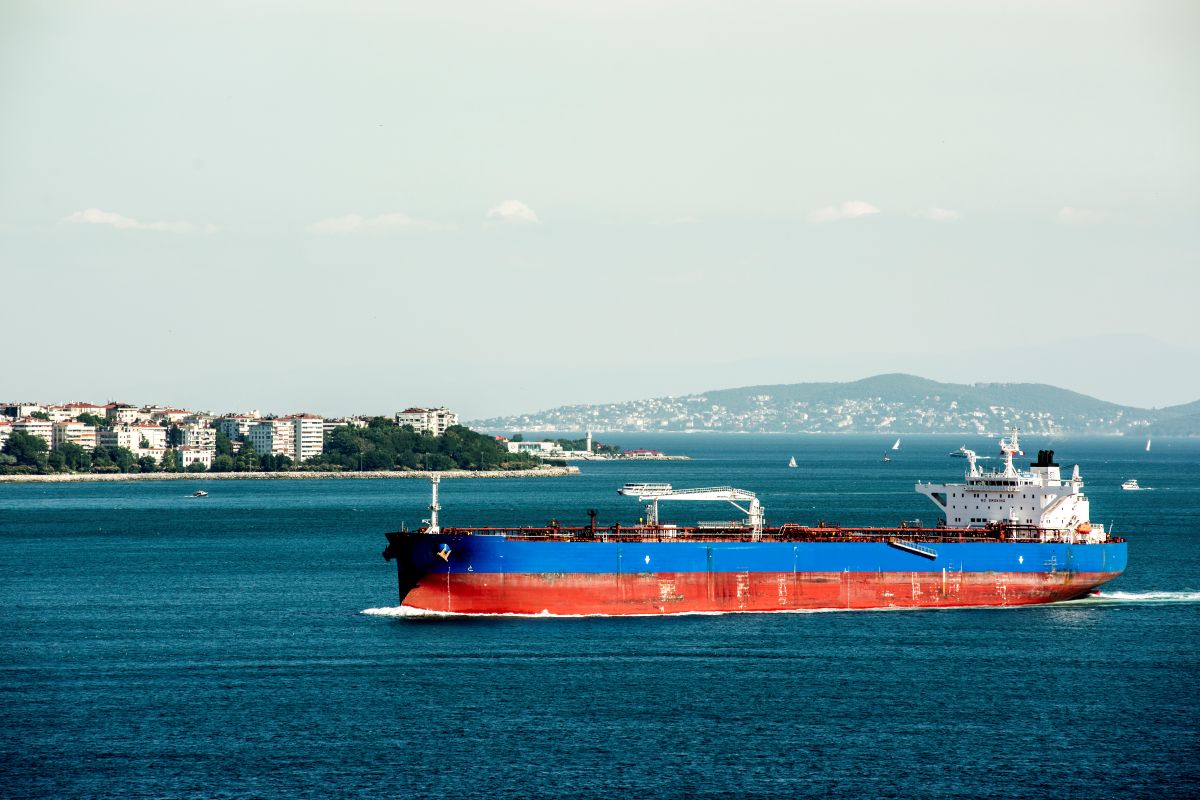
A technical guide to managing heavy machinery imports using RoRo shipping via PortMiami efficiently.
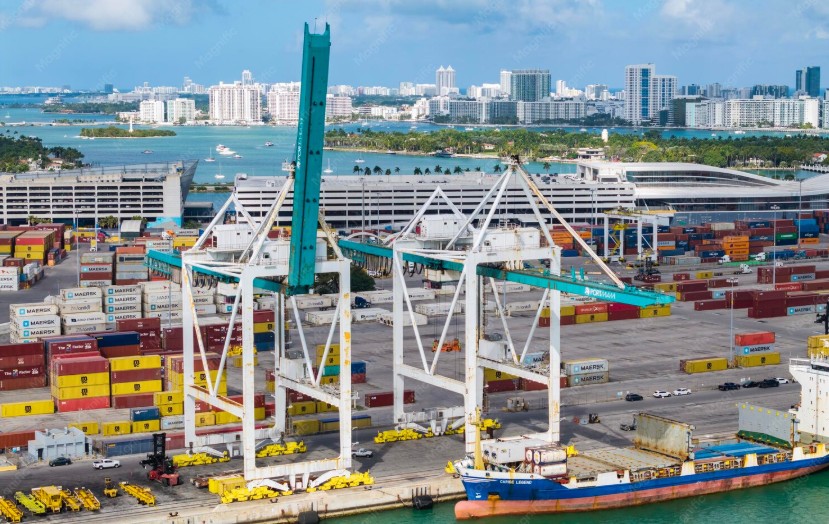
A guide to optimizing your supply chain through LatAm nearshoring logistics via certified infrastructure in Miami.