
The Difference Between a 3PL and a Freight Forwarder: Which Do You Need?
05/16/2026
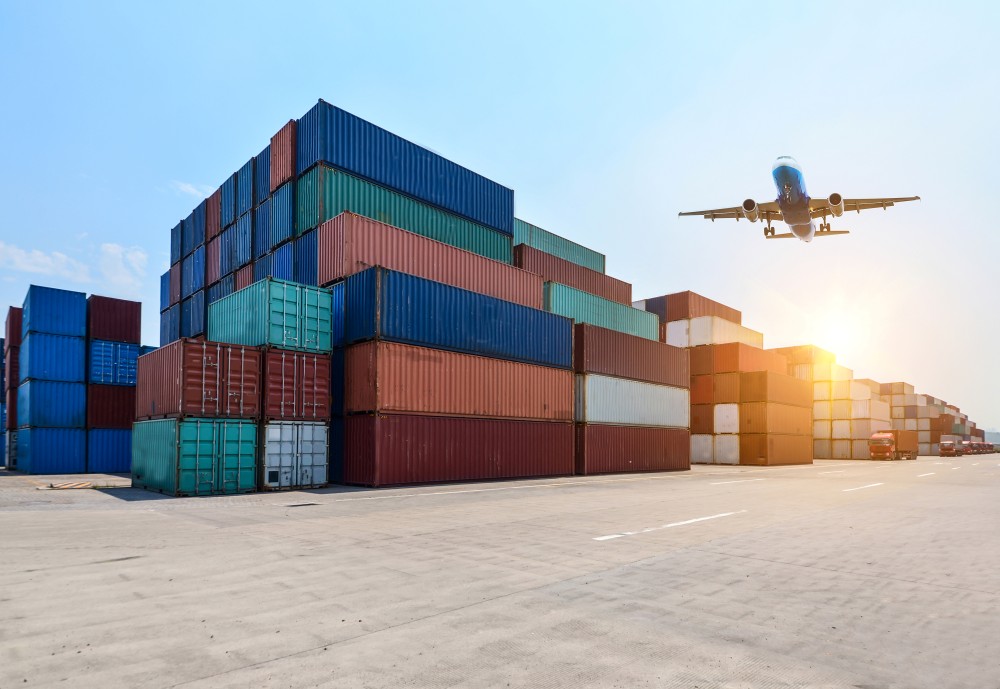
In the complex world of global logistics, terms like “3PL” and “Freight Forwarder” are often used interchangeably. However, while they both move goods from point A to point B, they play fundamentally different roles in your supply chain. Choosing the wrong model can lead to gaps in your operations, unexpected costs, and a lack of operational control. Understanding these differences is crucial for businesses looking to scale, whether they are importing their first shipment or managing a complex multi-channel distribution operation.
Think of a Freight Forwarder as the travel agent for your cargo. They don’t usually own the ships, planes, or trucks; instead, they act as intermediaries between the shipper and the various transportation services.
A 3PL (Third-Party Logistics) provider offers a much broader range of services that often include the entire logistics process. While a forwarder focuses on the “move,” a 3PL focuses on the “store, manage, and fulfill.”
A 3PL typically manages warehousing, inventory management, picking and packing, and final-mile distribution. They become an integrated part of your business, often handling the physical goods for long periods rather than just during transit.
The most significant difference lies in the breadth of the relationship.
While both can be “asset-light,” their typical setups differ:
If your primary challenge is getting a container from Shanghai to the Port of Savannah, you are looking for a Freight Forwarder. They specialize in the “Global” aspect—navigating different countries’ regulations and carrier alliances.
If your challenge is ensuring that a customer in Atlanta receives their order within 48 hours of clicking “buy” on your website, you need a 3PL. They specialize in the “Domestic” and “Last-Mile” aspects, ensuring that once the goods are in the country, they move efficiently through the fulfillment cycle.
A Freight Forwarder does not want to hold your inventory; their goal is to keep it moving. A 3PL, however, excels at inventory management.
Freight Forwarders are the masters of customs. They often have in-house customs brokers or close partnerships with them. They navigate the specific codes (HS Codes), duties, and taxes required to get “Specialized Cargo” or standard goods across borders. While some 3PLs offer these services, it is the primary reason for a Freight Forwarder’s existence.
Both models offer scalability, but in different ways.
In 2026, the lines between these two models are blurring. Smart businesses no longer want to manage a separate Freight Forwarder for their imports and a 3PL for their fulfillment. This is where KCE Logistics provides a massive advantage.
By acting as a single partner in logistics, KCE combines the global reach and customs expertise of a Freight Forwarder with the robust infrastructure and fulfillment power of a 3PL. This hybrid model eliminates the coordination gaps that happen when cargo moves from a forwarder’s control to a warehouse’s dock. With KCE, the data, the accountability, and the physical goods remain under one roof from the moment they leave the factory until they reach the customer’s door.
Ultimately, the choice between a 3PL and a Freight Forwarder depends on your business’s current maturity and future goals. If you only need to move cargo from port to port, a forwarder is your best bet. If you need a comprehensive solution that includes storage, fulfillment, and strategic inventory management, a 3PL is essential. However, if you want to maximize efficiency and minimize risk, an integrated partner that offers both is the ultimate competitive advantage.
Yes. Integrated logistics providers like KCE Logistics offer both sets of services, providing a seamless end-to-end solution for international and domestic needs.
Not necessarily. While a 3PL handles more stages of the supply chain (and thus has more service fees), they often save you money by reducing errors, optimizing inventory, and providing volume-based shipping discounts.
For e-commerce, a 3PL is usually mandatory because of the need for daily “pick and pack” and last-mile delivery services that a traditional forwarder does not provide.
Usually, they only provide short-term “staging” space at a port or airport. For long-term storage and distribution, you require a 3PL facility.
Don’t settle for a fragmented supply chain. At KCE Logistics, we provide the best of both worlds: world-class International Freight Forwarding combined with high-performance Warehousing, Distribution & Fulfillment. Explore our Specialized Cargo Solutions and see how a single partner can provide the visibility and control you need to scale.
Contact us today for a custom logistics audit!

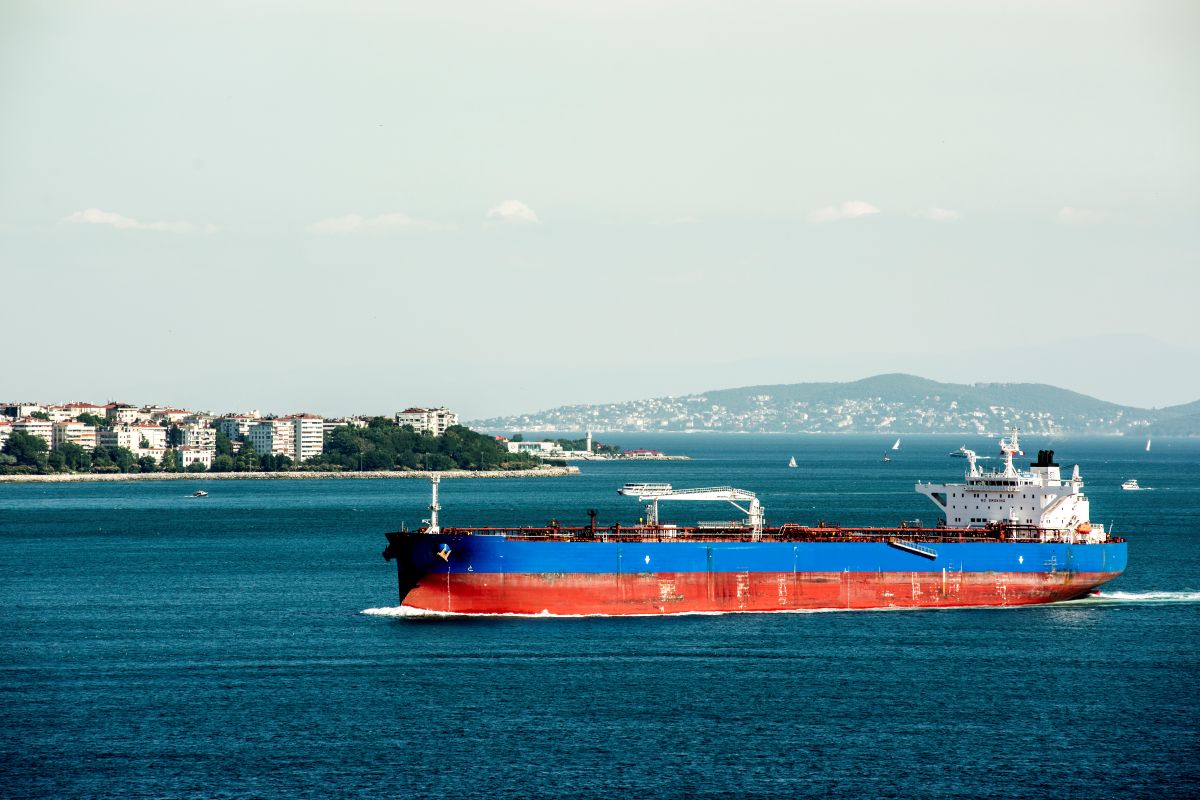
A technical guide to managing heavy machinery imports using RoRo shipping via PortMiami efficiently.
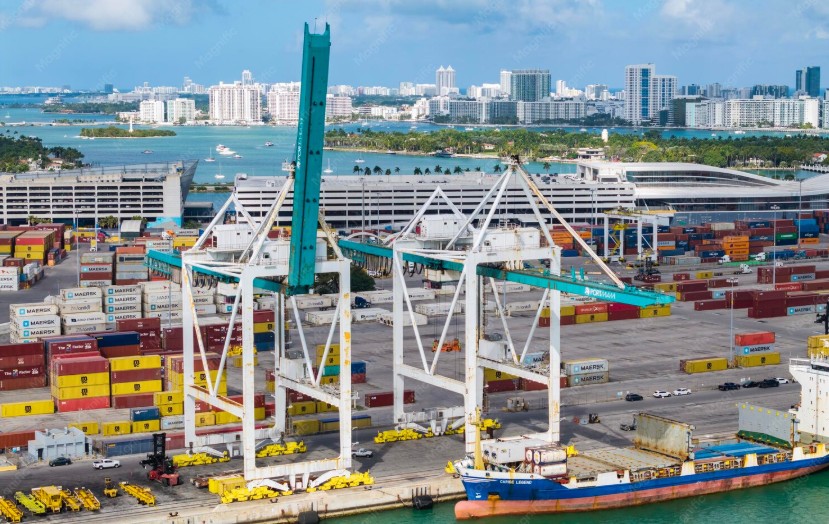
A guide to optimizing your supply chain through LatAm nearshoring logistics via certified infrastructure in Miami.