
When to Transition to a Miami eCommerce Fulfillment Center
08/25/2026
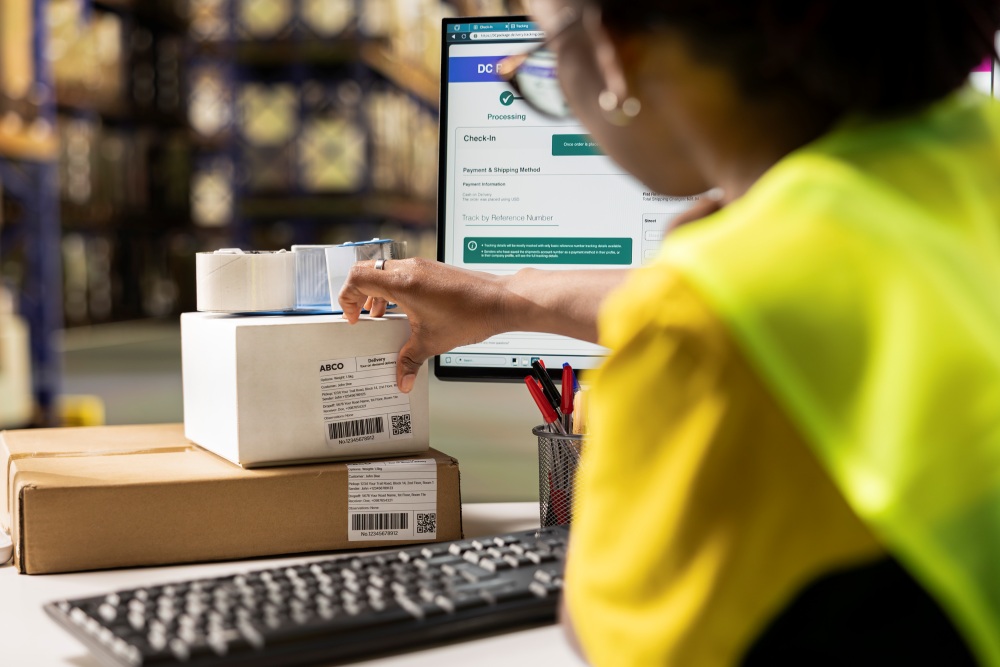
Scaling a digital brand requires a precise logistics framework to handle rising daily order volumes. Transitioning to a Miami eCommerce fulfillment center helps transform shipping schedules into a competitive advantage for growing retail businesses.
Managing high inventory volumes internally often strains operational capacity. Partnering with a specialized South Florida logistics provider supports predictable transit times and helps maintain your corporate margins as market demand increases.
This guide covers the key operational signals that indicate when transitioning to a Miami fulfillment center makes financial and logistical sense.
Growing a digital business often outpaces internal operational systems. Recognizing when internal logistics capabilities reach their limit helps prevent degraded customer experiences.
Frequent shipping errors indicate a failing internal process. Order errors generate reverse logistics costs and affect customer satisfaction. A specialized partner utilizes barcode scanning technology to support high order accuracy.
A cluttered warehouse creates an inefficient working environment. When new inventory sits in the receiving dock because storage racks are full, outsourcing to a provider with certified warehouse infrastructure is a practical move.

Geographic positioning directly influences delivery speeds. Competitive delivery windows require positioning inventory close to major transportation networks.
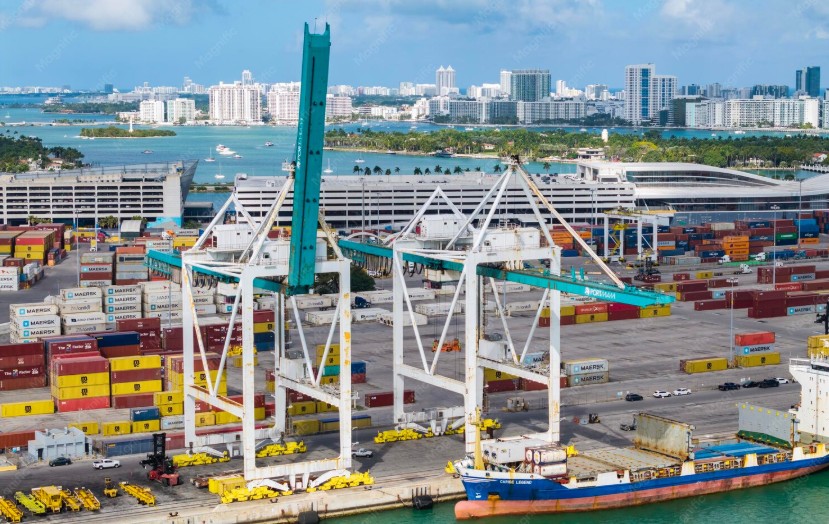
Operating near Miami International Airport and PortMiami provides routing flexibility. Your products bypass regional transit bottlenecks and enter national air cargo networks rapidly.
Florida boasts a growing consumer base. Storing your goods locally ensures regional orders require less transit time, which allows you to offer competitive shipping rates at checkout.
Private warehousing carries overhead costs that extend beyond monthly rent. Understanding these financial drains helps clarify why outsourcing becomes a strategic investment.
Leasing industrial space requires expensive long-term contracts. Fixed lease costs remain constant regardless of inventory volume or seasonal demand.
Recruiting reliable warehouse staff consumes management time. A 3PL provider buys packaging materials in bulk quantities, passing those structural savings directly to your business.
The holiday shopping season generates high revenue but challenges logistical capacity. Seasonal demand increases can strain a private warehouse’s staffing and spatial capacity.
A fulfillment partner absorbs volume fluctuations. Instead of hiring temporary workers, you rely on an established workforce to process orders steadily. Review our guide on eCommerce Fulfillment Miami to learn more.
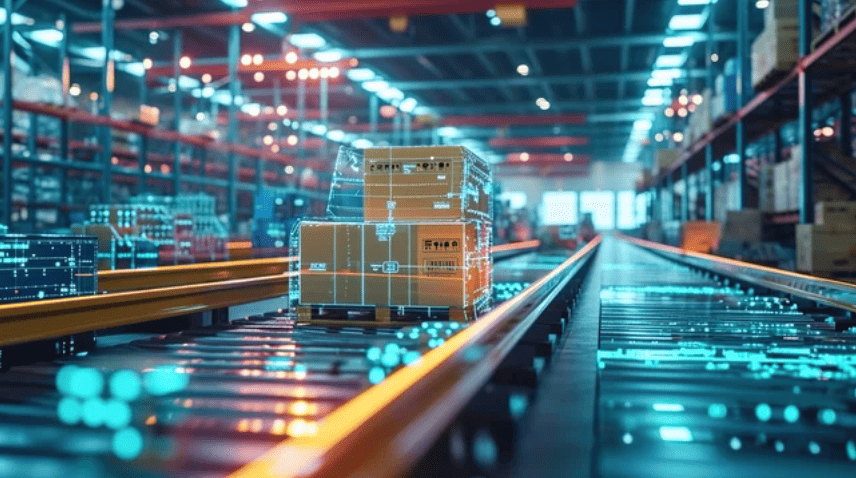
Modern retail requires accurate data synchronization. If your online store does not communicate directly with your warehouse inventory system, you risk selling out-of-stock items.
Advanced fulfillment centers integrate directly with your digital shopping cart platforms. This connection helps ensure inventory levels update in real-time as customers complete purchases.
Maintaining accurate data flows is a non-negotiable requirement. Discover exactly how visibility became the most valuable asset in supply chain management.
Miami is widely recognized as a commercial hub for Latin America. If your brand plans to expand internationally, centralizing your export operations in South Florida is a strategic move.
Fulfillment centers in this region possess expertise in international customs compliance and cross-border shipping regulations. They manage complex commercial invoices and secure international freight rates.
Managing multiple vendors across ocean freight, warehousing and delivery creates coordination complexity. Relying on different companies for ocean freight, warehousing, and final delivery reduces end-to-end visibility.
Centralizing your product journey with a single partner reduces administrative friction. This gives your team direct control over the supply chain and simplifies monthly financial auditing.
Review our technical breakdown of a 3PL vs Freight Forwarder to understand structural differences between providers. Knowing what to look for when choosing a warehouse partner in the US helps you select the right facility.
Transitioning to a Miami eCommerce fulfillment center makes sense when internal systems can no longer keep pace with order volume, storage demands or delivery expectations. The financial case is straightforward, converting fixed overhead into variable costs frees up capital that can be reinvested in growth. Miami adds a geographic advantage: proximity to major ports, airports and distribution networks that support both domestic and international fulfillment from a single hub.
It is the complete process of receiving, storing, packing, and shipping online orders directly to your customers efficiently.
Miami offers access to major highways and international airports, supporting rapid domestic and global delivery times.
It converts fixed real estate leases into variable costs, meaning you only pay for the exact space you use daily.
KCE supports your fulfillment strategy through our certified warehouse infrastructure in Hialeah, FL, supporting precise inventory control.
At KCE Logistics, we manage eCommerce fulfillment services from our certified hub in Miami. Our operations in Hialeah, FL include precise inventory management and rapid order dispatch.
Explore our International Freight Forwarding, Warehousing, Distribution & Fulfillment, and Specialized Cargo Solutions.
Talk to our team and find out how KCE supports your fulfillment strategy.


A technical guide to managing heavy machinery imports using RoRo shipping via PortMiami efficiently.
A guide to optimizing your supply chain through LatAm nearshoring logistics via certified infrastructure in Miami.