
Ocean Freight Forwarding via Miami: Sourcing and Consolidating Global Cargo
07/08/2026
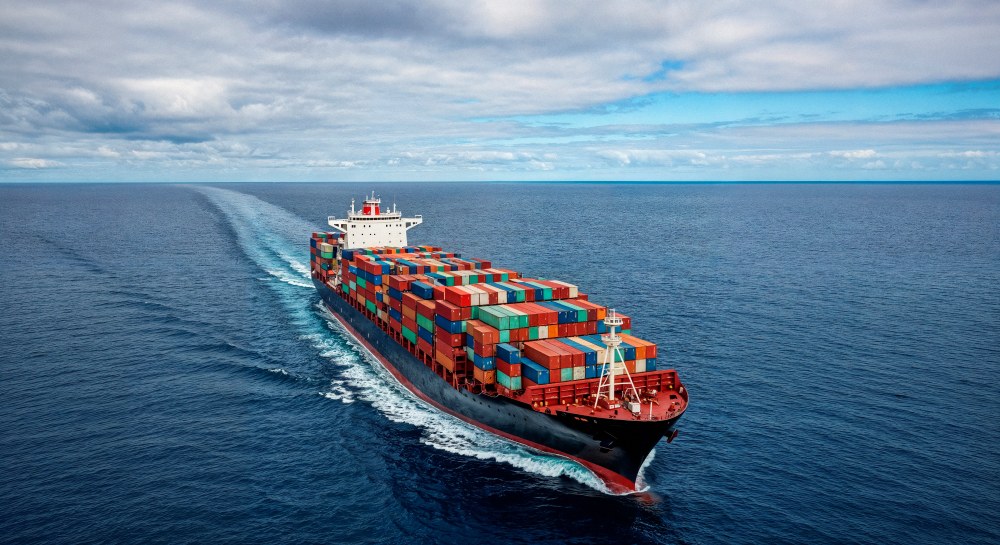
Managing international trade corridors requires a structured maritime strategy built around carrier relationships, compliance discipline, and geographic positioning. For procurement managers moving cargo into the US, securing reliable container space on key trade lanes is one of the most operationally critical decisions in the supply chain. This guide covers how ocean freight forwarding through Miami gives importers a structural advantage, and what to look for in a partner built for it.
PortMiami serves as the strategic pivot point for maritime trade lanes connecting the United States, Latin America, and Europe. The port features deep-water berths designed to handle the largest post-Panamax container vessels.
Integrating your international trade routes into a centralized gateway provides immediate logistical advantages. Shippers can establish a competitive Miami logistics hub to bypass standard international shipping delays, which include:
Shippers must accurately evaluate whether their inventory volumes require Full Container Load (FCL) or Less than Container Load (LCL) consolidation models. Making the wrong structural choice increases capital waste and handling friction across your logistics routes.
FCL shipping offers the highest security and speed for high-volume inventory movements. Your cargo occupies a dedicated container, eliminating intermediate sorting stops at regional consolidation warehouses and minimizing transit disruption risks.
LCL consolidation allows smaller brands to share container space, converting high fixed transportation costs into flexible variable expenses. This model is ideal for maintaining lean operations and matching fluctuating purchasing orders.
Relying on volatile spot market freight rates exposes your supply chain to sudden capacity shortages and price increases . Established forwarders isolate your business from market spikes through direct Service Contract agreements with global ocean liners.
These multi-carrier relationships allow logistics managers to maintain structural flexibility when specific maritime routes face unexpected congestion. Securing dedicated vessel space protects your product margins, providing core benefits such as:
The transition of an ocean container from a discharged vessel to a domestic warehouse dock is a primary source of unexpected logistics costs. When independent truckers fail to collect equipment within free-time limits, port storage fees accumulate rapidly.
Partnering with a forwarder that maintains established relationships with certified drayage carriers supports driver availability during periods of port congestion. This direct operational control protects your logistics budget from carrier equipment retention penalties.
A single administrative error on a customs entry filing can trigger exhaustive federal inspections, cargo holds, and severe financial penalties. Navigating modern customs frameworks requires deep technical expertise and continuous regulatory monitoring.
Experienced logistics providers utilize licensed customs brokers to audit commercial invoices and packing lists before vessel arrival. This proactive verification keeps your maritime supply chain moving smoothly, focusing on critical compliance milestones such as:
Single-mode supply chains are vulnerable to localized disruptions, labor shortages, and unexpected port stoppages. Building long-term supply chain resilience demands the capacity to pivot between ocean, rail, and road transport networks.
Deploying a disciplined freight mode selection strategy allows businesses to balance speed against capital expenditures. This agile integration keeps your inventory moving even when major shipping lanes face regional crises.
Juggling separate contracts for ocean freight, customs brokerage, and domestic warehousing introduces high coordination risks and data silos. Fragmented vendor networks increase administrative overhead and make it difficult to calculate true landed costs.
Consolidating your supply chain under a single partner unifies your logistics data and reduces handoff friction. This alignment gives executives true operational control in logistics networks, ensuring consistent delivery performance.
Evaluate the exact capabilities of your logistics vendors by comparing a 3PL vs freight forwarder model. Single-source providers streamline operations, offering specific operational advantages including:
Expanding your global market presence requires an alignment of geographic positioning, vessel capacity, and compliance discipline. Selecting Miami as your primary maritime gateway shortens transit times across global trade lanes significantly.
In 2026, moving away from transactional brokers to an asset-backed shipping partner protects your margins and secures business growth. Mitigating international trade risks today establishes a competitive, predictable distribution network for tomorrow.
FCL means your cargo occupies an entire dedicated container, while LCL consolidates multiple shippers’ goods inside a single shared container.
Work with an asset-based forwarder who controls their own drayage trucks to extract ocean containers upon vessel discharge.
Traditional brokers only handle transport, but an integrated 3PL provider manages both sea freight and long-term warehouse fulfillment.
It offers direct maritime shipping lanes, short transit times to Latin America and Europe, and immediate intermodal connections to US rails.
At KCE Logistics, we coordinate ocean freight operations as a licensed NVOCC and FMC carrier, managing vessel allocation, customs documentation, and compliance from our certified hub in Miami, giving you full visibility across every stage of the operation.
To protect your international product margins, explore our comprehensive Solutions hub. We provide elite International Freight Forwarding.
We also offer scalable Warehousing, Distribution & Fulfillment structures and complete support in Specialized Cargo Solutions for heavy industrial lines.
Secure your container space, optimize your delivery timelines, and protect your corporate financial planning immediately.


A guide to maintaining FDA compliance and securing pharmaceutical imports using cold chain logistics in Miami.
A guide to transloading services in Miami and how they reduce inland freight and equipment costs.