
How Visibility Became the Most Valuable Asset in Supply Chain
04/25/2026
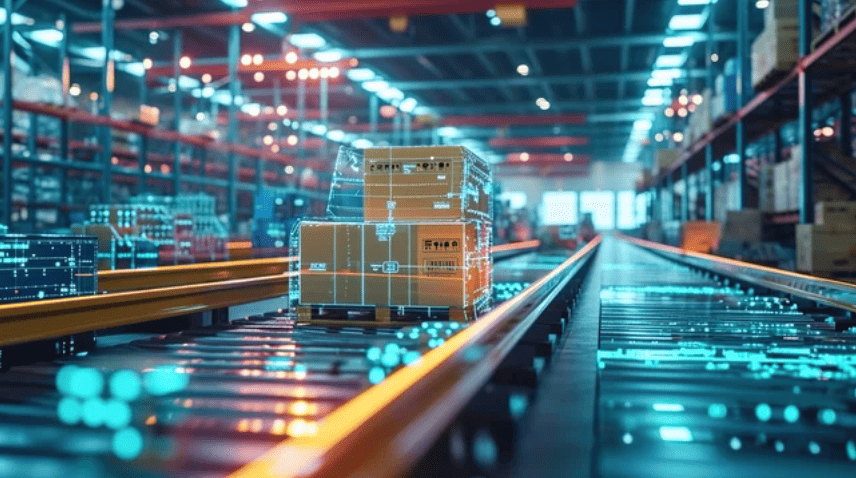
In the traditional world of logistics, “no news was good news.” If a shipment didn’t arrive on time, you waited for a phone call or a fax to find out why. Today, that model is obsolete. In a global economy defined by instant gratification and razor-thin margins, visibility has transitioned from a premium feature to the most valuable asset a company can possess. Supply chain visibility is the ability to monitor shipments, inventory, and logistics activities in real-time — enabling faster decisions and more coordinated execution across the entire operation.
Historically, visibility was a luxury reserved for the largest multinational corporations with massive IT budgets. Small and medium-sized enterprises (SMEs) often operated in a “black hole,” knowing only when a product left the factory and when it arrived at the warehouse. However, the rise of e-commerce and the “Amazon Effect” shifted consumer expectations. Today, everyone from a B2B procurement manager to a retail customer expects a real-time map showing exactly where their goods are. Companies that cannot provide this clarity face declining trust and increasing operational friction.
True visibility is not just a tracking number. It is an integrated view of every node in the supply chain. This includes:
Without this end-to-end perspective, a business cannot achieve true operational control. Visibility provides the data, but operational control turns that data into coordinated execution.
Visibility is often marketed as a customer service tool, but its greatest impact is on the balance sheet. Transparency allows companies to identify inefficiencies in their logistics spend and act on them in real-time.
By knowing exactly when a container arrives at a port, importers can schedule pickups to avoid costly port storage fees. Visibility allows for precise coordination, ensuring trucks arrive exactly when the cargo is ready.
When you see a delay early in the chain, you can adjust production schedules rather than paying for “emergency” air freight later. Furthermore, when you trust your transit data, you can reduce the amount of “just-in-case” inventory sitting in your warehouse, freeing up vital working capital.
In-transit visibility was once one of the least controlled stages of the supply chain, with limited insight into cargo movement between origin and destination. Today, real-time tracking technologies — including IoT sensors and satellite connectivity — cargo can now be monitored continuously, enabling faster decisions and better coordination across the operation.
Importers can now monitor not just the location, but the condition of their cargo. For sensitive shipments, sensors can report on temperature, humidity, and even shock or tilt. This level of detail allows managers to intervene before a product is ruined, saving the cost of the goods and the relationship with the customer.
In a crowded market, reliability is your strongest brand asset. Visibility builds trust through transparency. When a customer knows that a business is monitoring their shipment and can provide accurate arrival times, they feel a sense of security. Even more importantly, visibility allows for “proactive honesty.” If a shipment is delayed due to a Middle East conflict or weather event, informing the customer before the deadline passes is significantly more professional than apologizing after the delivery is missed. This proactive communication is only possible with real-time data.
Visibility acts as an early warning system. Global supply chains are inherently volatile, prone to strikes, congestion, and geopolitical shifts.
The next frontier of visibility is predictive, not just descriptive. We are moving from knowing what is happening to knowing what will happen.
AI algorithms can analyze years of transit data to predict that a shipment leaving Shanghai in October will likely face a 3-day delay due to seasonal congestion. This allows businesses to build “buffer time” into their promises without overstocking.
By combining weather patterns, port data, and carrier performance metrics, companies can choose the most reliable routes, not just the cheapest ones. This intelligence transforms visibility into a forward-looking strategic tool.
Inventory is one of the most significant expenses for any product-based business. Visibility directly impacts how much inventory you need to hold. When you have a clear view of your entire pipeline, you can implement “Lean” principles with confidence.
Visibility is most powerful when it is shared. A truly modern supply chain is a collaborative ecosystem where manufacturers, 3PLs, carriers, and importers all see the same data. This “collaborative visibility” eliminates the need for constant status update emails and phone calls. It allows a single partner in logistics to coordinate multiple vendors and modes seamlessly. When everyone is looking at the same map, the entire network moves faster and with fewer errors.
Supply chain visibility is no longer just about tracking movement, it is about enabling better decisions and more coordinated execution. In today’s environment, where global operations are constantly shifting, the ability to see and interpret real-time data defines how effectively a business performs. Visibility, when properly integrated into the operation, strengthens control, improves consistency, and supports long-term resilience. Companies that treat visibility as a core part of their logistics structure, not just a tool, are better positioned to operate with precision in an increasingly complex global market.
It is the ability to track every component or product in real-time as it moves from the supplier through the warehouse and to the final customer.
It helps avoid port surcharges (demurrage), reduces the need for expensive expedited shipping, and allows companies to hold less safety stock by trusting their data.
No. Tracking is knowing where a shipment is. Visibility is having that data integrated into your decision-making process to proactively manage delays and inventory.
Yes. Real-time data allows you to see disruptions (like port congestion or regional conflicts) early, giving you time to reroute cargo or adjust customer expectations.
Stop operating in the dark. At KCE Logistics, we provide the visibility and operational control you need to lead your industry. Explore our Warehousing, Distribution & Fulfillment, International Freight Forwarding, and Specialized Cargo Solutions: our experts provide custom audits to integrate your data, slash your costs, and protect your margins.
Contact us to gain total visibility over your global operations!

A technical guide to managing heavy machinery imports using RoRo shipping via PortMiami efficiently.
A guide to optimizing your supply chain through LatAm nearshoring logistics via certified infrastructure in Miami.