
Cold Chain Logistics in Miami: Evaluating Compliance for Pharma Imports
09/14/2026

For procurement directors managing pharmaceutical imports through South Florida, cold chain logistics in Miami is a compliance decision before it is a transportation decision. Temperature stability between the aircraft and the storage floor determines whether a batch remains sellable and whether the entry clears FDA review.
Partnering with a certified warehouse protects your medical supply chain. This guide explores how strict regulatory compliance secures your pharmaceutical imports in South Florida.
Evaluate your current temperature-controlled supply chain and discover how certified Miami infrastructure protects your high-value pharmaceutical cargo today.
Medical products demand precise storage conditions to maintain their chemical stability. Biologics, vaccines, and specialized therapeutics break down rapidly when exposed to heat or freezing conditions. Implementing rigorous temperature controls throughout the transit journey protects the structural integrity of these sensitive medical assets.
According to the IQVIA Institute for Human Data Science, the biopharmaceutical industry loses billions of dollars annually due to temperature excursions during transit (IQVIA, 2023). Protecting your investments requires working with logistics partners who understand clinical storage requirements.
When a shipment falls outside its designated temperature range, the manufacturer must quarantine the entire batch. Replacing compromised medical goods disrupts patient care schedules and drains corporate working capital.
Strict thermal management goes beyond financial protection. Preserving the efficacy of life-saving medications is a public health requirement. A compromised vaccine loses clinical efficacy to the end user.
The United States Food and Drug Administration (FDA) enforces strict guidelines for importing medical goods. Supply chain managers must adhere to Current Good Manufacturing Practice (CGMP) regulations under 21 CFR Part 211 (FDA.gov). These federal codes dictate exactly how logistics providers must handle, store, and transport drug products.
Meeting these federal standards supports predictable clearance at the port of entry, and complete temperature records are part of what FDA reviews on import documentation. The FDA actively inspects import documentation to verify that temperature controls remained active during the entire ocean or air transit.
Regulators require continuous digital records proving temperature stability. Your logistics provider must supply downloadable data logs from thermal sensors attached to your cargo.
Any distribution center handling pharmaceutical imports must hold the appropriate FDA facility registrations. Confirming that your distribution partner holds current FDA facility registration is standard vendor qualification for medical freight.
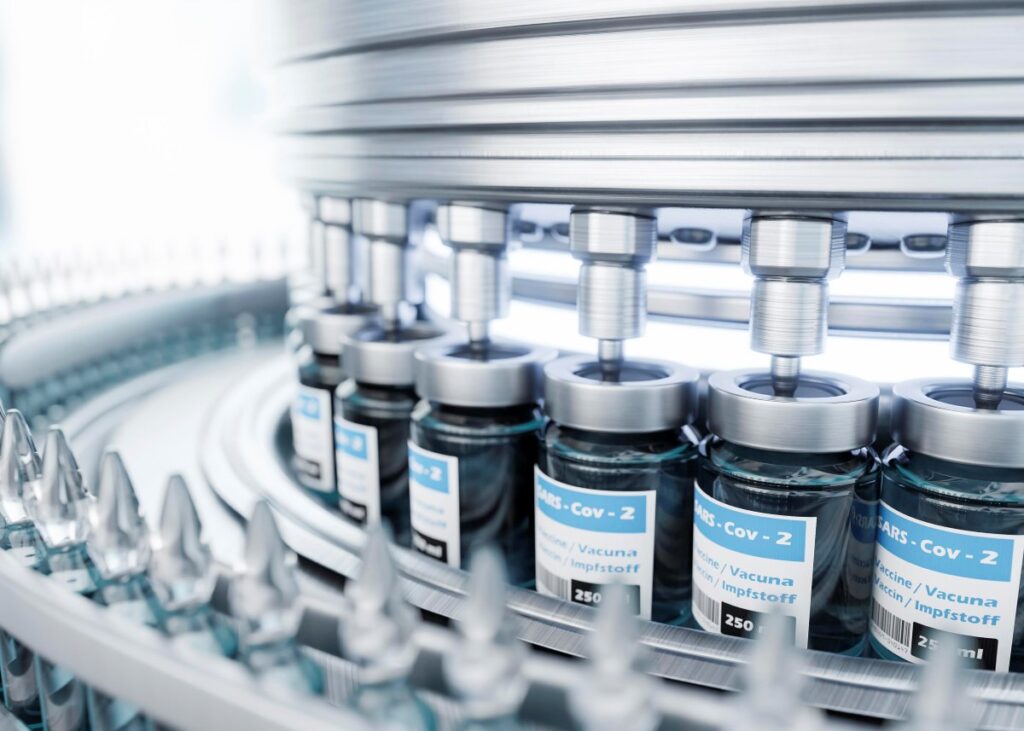
South Florida operates as a logistics hub for the life sciences sector. The region features advanced transportation infrastructure designed specifically to handle sensitive medical cargo entering the United States or moving toward Latin America.
Miami International Airport (MIA) holds the IATA CEIV Pharma certification. This designation means the airport terminal maintains standardized pharmaceutical handling procedures, reducing exposure risks on the tarmac.
The airport features dedicated temperature-controlled cargo facilities. Ground handling teams transfer medical pallets from the aircraft directly into refrigerated storage units rapidly to prevent thermal shock.
Miami provides direct connectivity to Central and South America. Medical distributors use South Florida as a centralized launchpad to consolidate regional shipments before exporting them to international healthcare facilities.
Not all commercial storage facilities can handle pharmaceutical goods. A compliant medical warehouse features specialized architectural designs and commercial-grade climate control systems. Evaluating these technical features helps you select the right logistics partner.
For a deeper technical breakdown, review our complete guide on vetting a Pharma Logistics Warehouse in Miami.
| Temperature Zone | Range (Celsius) | Common Medical Cargo Types |
| Controlled Room Temperature | 20°C to 25°C | Solid oral dose medications, basic medical supplies |
| Refrigerated (Cold) | 2°C to 8°C | Vaccines, biologics, insulin, specialized therapeutics |
| Frozen | -20°C to -15°C | Blood plasma, specific organic compounds, active ingredients |
Certified facilities utilize digital sensors placed strategically throughout the storage floor. These IoT devices monitor ambient conditions constantly, alerting warehouse managers immediately if the room temperature fluctuates.
South Florida experiences severe weather events that disrupt local power grids. A compliant pharma warehouse maintains industrial backup generators to keep refrigeration units running during unexpected electrical outages.
The final delivery leg often presents the highest risk for thermal exposure. Transferring cargo from a climate-controlled warehouse into a delivery truck requires disciplined operational execution. Dock doors must feature protective seals to prevent warm air from reaching the pallets during loading.
Deploying specialized packaging supports temperature stability during local transit. Logistics providers use insulated pallet shippers, gel packs, and phase change materials to create an independent thermal environment for your goods.
Centralizing pharmaceutical logistics under one provider closes the handoff points where custody and temperature records typically separate. Using separate companies for customs clearance, warehousing, and local trucking creates tracking blind spots during cargo handoffs.
When a delay occurs between independent vendors, your sensitive cargo sits idle on the loading dock. Discover the hidden danger of fragmenting your supply chain with too many logistics providers to avoid expensive exposure events. Centralizing your operations under a single partner supports consistent thermal management across every handoff.
Handling pharmaceutical imports requires specialized infrastructure and disciplined regulatory adherence. Implementing proper cold chain logistics in Miami protects your high-value medical inventory from thermal degradation and federal compliance penalties. A certified logistics partner provides the continuous monitoring and proactive management necessary to keep your healthcare supply chain moving steadily.
It is the continuous temperature-controlled transport and storage of sensitive medical goods.
Miami offers specialized airport infrastructure and rapid connectivity to Latin American markets.
It demands strict temperature monitoring, detailed audit trails, and certified facility storage.
KCE coordinates compliant medical storage through certified warehouse infrastructure in Hialeah.
At KCE Logistics, we manage complex medical freight from our certified hub in Miami. Our Hialeah operations feature strict temperature monitoring to support your compliance.
Explore our International Freight Forwarding, Warehousing, Distribution & Fulfillment, and Specialized Cargo Solutions. Talk to our team and find out how KCE supports your cold chain strategy.

A guide to maintaining FDA compliance and securing pharmaceutical imports using cold chain logistics in Miami.

A guide to transloading services in Miami and how they reduce inland freight and equipment costs.