
How Transloading Services in Miami Reduce Inland Freight Costs
09/08/2026
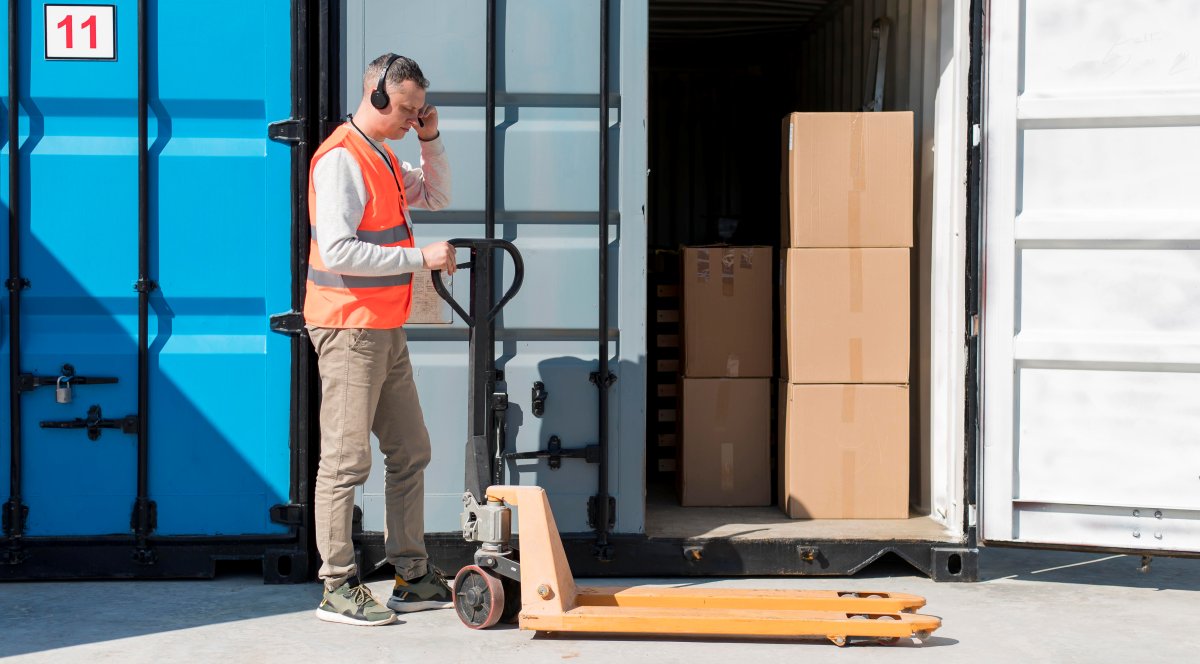
For importers routing containers through South Florida, transloading services in Miami transfer cargo from the ocean container into a domestic trailer within miles of PortMiami. The marine equipment returns to the terminal the same day, and the freight continues inland on standard domestic trucking rates.
This keeps chassis rental days and per-diem exposure low while supporting faster national distribution from a single transfer point.
Assess your current inland routing and discover how transloading reduces equipment costs before your next container arrives.
Transloading involves moving cargo from one mode of transportation to another. In maritime logistics, it specifically means stripping goods from an imported ocean container and loading them directly into a standard domestic truck trailer.
This operational shift occurs at a facility located near the destination port. Workers unload pallets, organize them by SKU, and stage them for domestic pickup.
Keeping the ocean container near the maritime terminal prevents the equipment from traveling hundreds of miles inland, protecting your budget from extended rental costs.
Standard ocean containers are heavy and require specialized chassis for road transport. Driving these units to a distant inland warehouse introduces logistical and financial friction. According to the American Transportation Research Institute (ATRI), average trucking operational costs exceed $2.336 per mile in 2025 (ATRI, 2026). Driving unnecessary miles with heavy marine equipment drains corporate capital.
Reference: Analysis of the Operational Costs of Trucking: 2026 Update
Ocean carriers and chassis pools charge daily rates for their equipment. Hauling a container inland means paying for the chassis during the entire outbound journey and the return trip to the port.
Carriers enforce strict free-time windows for equipment returns. Delays at your inland facility or slow return transits trigger daily detention penalties that multiply quickly.
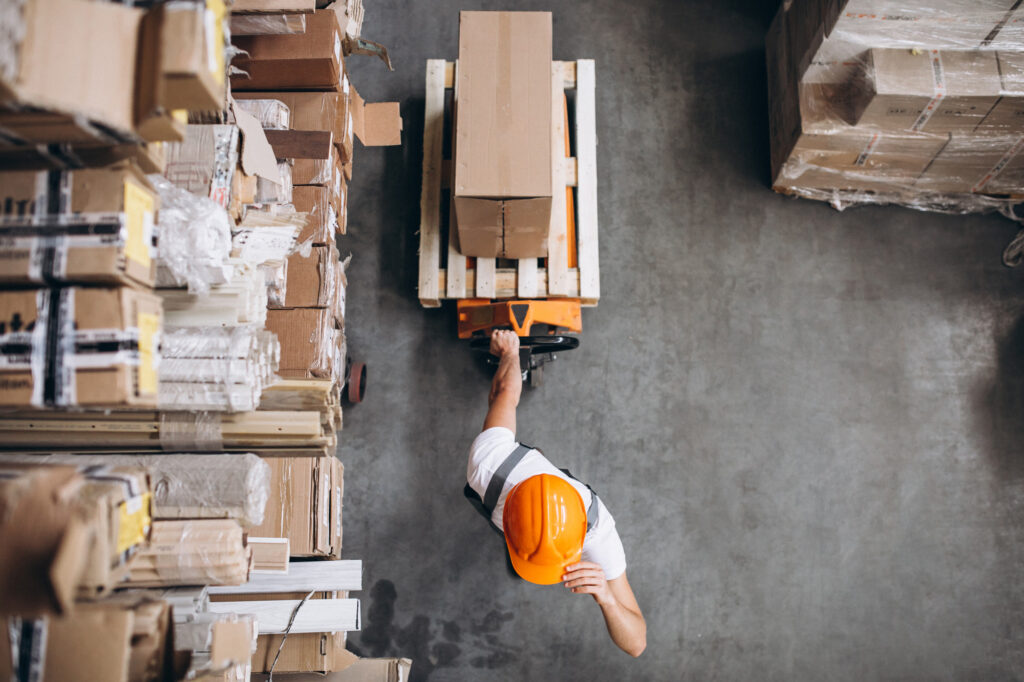
Domestic truck trailers hold significantly more volume than standard ocean containers. For cube-limited freight, four 40ft containers typically consolidate into three 53ft trailers, which reduces the number of trucks dispatched on the inland leg. Weight-limited cargo consolidates differently, since a 53ft trailer and a 40ft container carry similar maximum payloads. Cargo density determines the ratio
Where the density supports it, this consolidation lowers your total freight spend on the long-haul leg. Integrating this process helps you optimize long-haul domestic transportation and maintain predictable budget forecasts. For deeper insights, read our guide on What Is Transloading and Why It Saves Importers Money.
Executing a smooth cargo transfer requires specialized facilities equipped to handle high-volume freight efficiently. A capable logistics partner provides the physical space and trained personnel to manage these daily movements.
| Equipment Type | Typical Payload Capacity | Best Use Case |
| 40ft Ocean Container | 20-21 standard pallets | International maritime shipping |
| 53ft Domestic Trailer | 26-30 standard pallets | Long-haul national distribution |
Trained warehouse teams strip incoming ocean containers within hours of arrival. This swift processing allows the driver to return the empty equipment to the port on the exact same day.
Returning the container before the free-time window expires prevents detention fees. This precise coordination requires strategic proximity to the port and highly organized yard management.
Relying on transloading gives your inventory incredible routing agility. Instead of sending a full container to a single distribution center, warehouse teams can sort the freight at the port facility.
Workers separate the cargo by SKU and load different domestic trailers bound for separate regional markets. Understanding why warehouse strategy impacts the entire supply chain highlights how this sorting process bypasses intermediate stops and speeds up final delivery.
Sudden surges in import volume stress standard supply chain networks. Transloading provides a flexible buffer when your primary distribution centers reach maximum storage capacity.
Moving full containers out of a congested terminal quickly reduces port demurrage fees. Transferring the goods at a local facility keeps your supply chain moving despite 9dockside bottlenecks. If regional distribution centers lack space, the transload facility can hold the sorted pallet storage in Miami temporarily.
Juggling separate contracts for drayage, warehousing, and domestic trucking introduces high coordination risks. Centralizing your industrial movement under a single partner removes administrative friction.
Review the power of a single partner in logistics to understand how unified management supports your operation.
The right logistics partner makes advanced distribution infrastructure immediately operational without the capital investment of building it from scratch. Implementing transloading services in Miami reduces inland transportation costs and provides the routing flexibility needed to scale your retail operations efficiently.
Moving freight from an ocean container into a domestic trailer for inland distribution.
It minimizes equipment rental days and reduces late return penalties from ocean carriers.
Miami offers direct highway access, allowing rapid cargo transfers and efficient routing.
KCE coordinates transloading through our certified warehouse infrastructure in Hialeah.
At KCE Logistics, we coordinate transloading services from our certified hub in Miami. Our operations in Hialeah, FL include rapid container stripping and regional routing to support your supply chain.
Explore our Warehousing, Distribution & Fulfillment solutions. Talk to our team and find out how KCE supports your transloading strategy.

A guide to transloading services in Miami and how they reduce inland freight and equipment costs.
A guide to structuring your Q4 eCommerce logistics and managing peak season order volumes in Miami.